
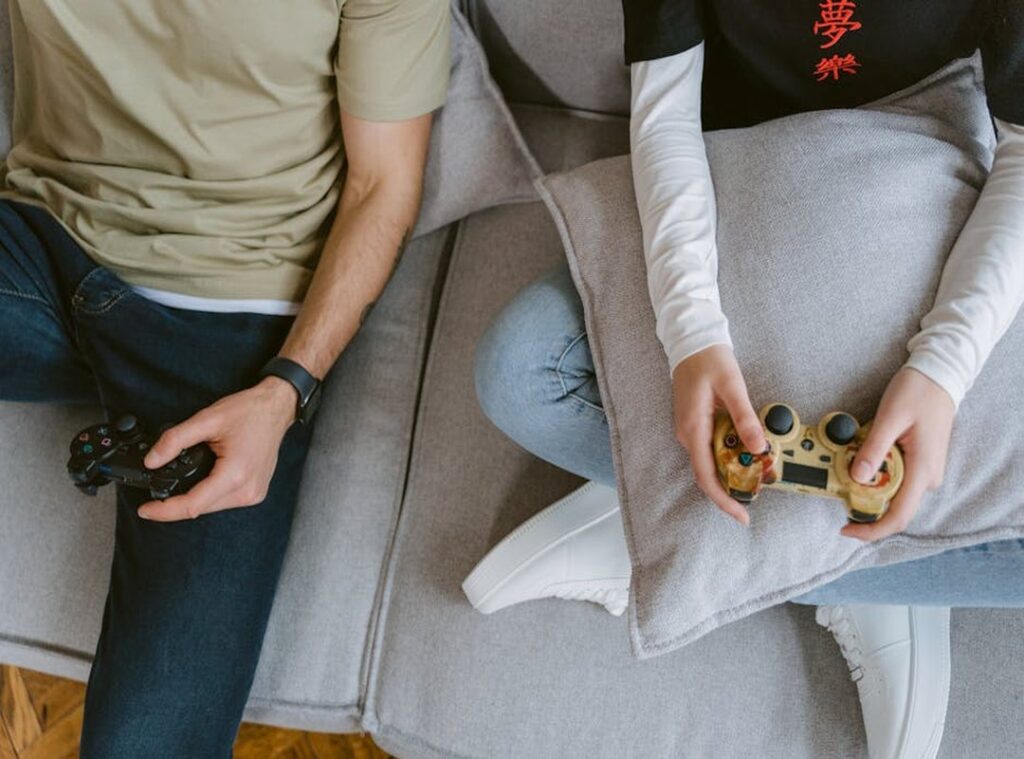
Ever joined a game lobby only to be bombarded by toxic chatter? Or opened a Discord channel just to find it flooded with spam? It’s frustrating, right? the unsung heroes step in (moderators) in gaming.
These folks are the backbone of our digital worlds, keeping chaos at bay with their often invisible work.
I’ve been part of many gaming communities, from tiny indie servers to sprawling modding projects. It’s given me a front-row seat to what moderators do and the skills they need. Curious about stepping into those shoes yourself?
This article cuts through the noise, offering a clear, no-nonsense guide on the role of gaming community moderators. You’ll learn what it takes to become one and why they’re important to your favorite digital spaces.
More Than a Ban Hammer: What a Moderator Really Does
Most people think moderators just sit around banning trolls. But that’s like saying a park ranger spends all day chasing bears. Moderators in gaming are more like community architects, shaping the culture and vibe.
They’re the unsung heroes who make sure you want to hang out in those online spaces.
Think of them as the friendly park ranger. They guide visitors and keep things tidy, not just stand around with a whistle. They don’t just slap bans on troublemakers.
They build a positive environment, ensuring players feel welcome. It’s not about power trips. It’s about creating a space where people want to spend time.
Moderators are key communicators. They’re the bridge between players and developers. Ever wondered how your feedback gets to the devs?
Thank a moderator. They also wear many hats. Organizing events, mediating conflicts, and serving as a go-to source for newbies.
It’s a tough gig, but someone’s got to do it.
Here’s a real-world example: starting a “share your best gameplay clip” thread. This isn’t just fun; it’s proactive moderation. By steering conversation away from negativity, moderators keep the community thriving.
It’s about community driven events gaming culture. Want to dive deeper? Check out this community driven events gaming culture.
So, next time you’re enjoying a game, remember the moderators. They’re not just gatekeepers. They’re the architects of your experience, making sure the virtual park remains a place you want to explore.
And isn’t that what we all want. A safe, welcoming gaming space?
Moderator’s Quest Log: Daily Duties Demystified
Being a moderator in gaming isn’t just about wielding the ban hammer. It’s about guiding users, maintaining harmony, and keeping the community thriving. Enforcing the rules isn’t just punishment.
It’s about educating users on why these rules exist (preferably before they break them). Consistency and fairness are key. If you bend the rules for one, you’ve got to be ready to do it for all.
And let’s be real, who has the bandwidth for that?
Handling disputes is another daily adventure. Imagine two players bickering over a game plan. “No, that isn’t how you beat the boss!” It takes a calm demeanor to step in, hear both sides, and find a middle path. Sometimes just validating someone’s frustration can de-escalate a heated argument.
It’s not about taking sides but about restoring peace.
Now, let’s talk community engagement. Running game nights or Q&As doesn’t just boost morale; it builds loyalty. Who doesn’t love a good contest with some digital loot as the prize?
It’s about keeping the community invested and excited. When you connect on that personal level, players are more likely to stick around.
Then there’s being a source of truth. This means answering questions, squashing rumors, and directing players to official resources or patch notes. You become the go-to for clarity.
It’s not just about knowing all the answers but knowing where to find them.
For those wanting to dive deeper into the details of this role, there are resources like content moderation for gaming. They offer takeaways into the challenges and rewards that come with the territory. , moderating is about creating a space where everyone feels welcome and informed. That’s the real win.
Level Up Your Skills: The Moderator’s Important Toolkit
Let’s talk about what it takes to succeed as moderators in gaming. The job’s not just about bossing people around (though some might think so). You need actual skills, and they split into two buckets: Soft Skills and Technical Know-How.
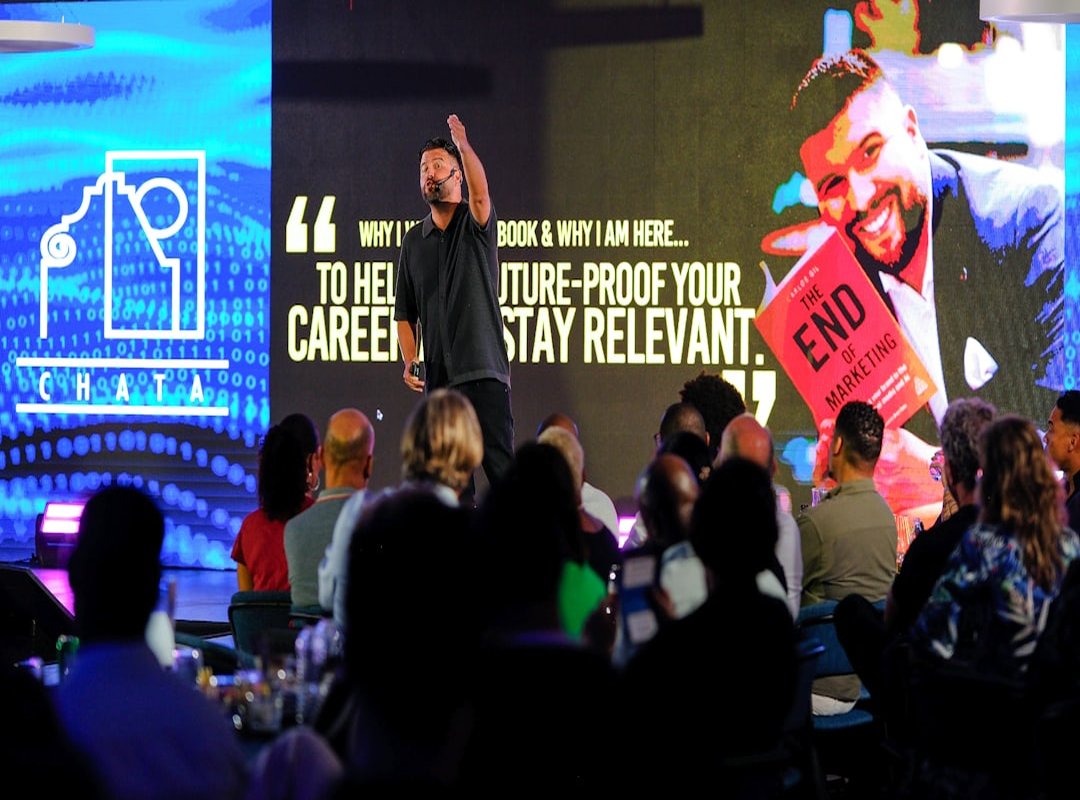
First, soft skills. Why is patience so important? Because you’ll deal with the same issues over and over.
It’s maddening. But staying calm matters. Thick skin is next (no surprise there).
Criticism and toxicity can get under your skin if you’re not ready for it. Clear communication is another. You have to write in a way that leaves no room for confusion.
Empathy rounds out the soft skills. You’ve got to feel what players feel. Understand their frustrations and you’ll handle situations better.
Now, onto the technical side. Platform mastery is key. Know Discord or Reddit like the back of your hand.
Game knowledge is another big one. Dive deep into the game’s mechanics and culture. You can’t moderate effectively if you don’t understand what you’re moderating.
Documentation is the final piece. Log incidents, write reports (keep) everything clear for other mods or admins. Without it, chaos reigns.
For those who want to power through with fan-made content games, this guide can help you learn more. Consider this your important toolkit for moderating with a bit of flair. And if you’re thinking, “Is all this really necessary?” Just try moderating without these skills.
Boldly go where others fear to tread. Believe me, you’ll feel the difference.
From Player to Mod: A Gamer’s Guide
So, you want to be a mod, huh? It’s more than just applying; it’s about earning trust. Moderators in gaming are like the unsung heroes, keeping peace in the chaos.
Here’s how you can become one.
Start by being that community member everyone looks up to. You know the type. Helpful, positive, active, and never doing it just because someone asked.
Lead by example. If you’re the one always jumping in to assist, people notice.
Rules aren’t just words on a page. They’re the lifeblood of any community. You should know them so well you can recite them in your sleep.
Can you answer a rule question without a cheat sheet? That’s the level you need to hit.
Helping proactively means stepping in without stepping on toes. Answer questions, guide newbies, and yes, report the rule-breakers. But don’t be that ‘backseat mod’ everyone’s rolling their eyes at.
It’s a fine line, sure, but one worth walking.
When it’s time to express interest, do it right. Watch for official openings like a hawk. If none are in sight, consider a polite, well-reasoned message to the admin team.
Highlight your contributions, but don’t overdo it. Nobody likes a braggart.
What’s next for you? Keep this roadmap close. The gaming world evolves fast (just look at any new release), and so do its communities.
Stay ahead by keeping your skills sharp. You never know when the next mod opportunity might pop up.
Shape the Future of Gaming
Being a moderator in gaming isn’t just a title. It’s a promise to make a difference. Toxic chaos in gaming communities can ruin everything, can’t it?
You know it. We all do. But here’s the thing: you can change that.
Start simple. Be that player who lifts others up. Show empathy, act consistently, and lead by example.
Your journey to moderation starts with one helpful comment today. It’s time to step up and shape your favorite community. Want to see change?
You be the change. Join thehakegamer.net and learn how you can lead your community to a better place.
 Nicholas Bensonsolas was instrumental in shaping the community-centric pillars of the project, focusing on the strategies and spotlights that define the site today. His work in developing the framework for tactical training and pro setup tips provided the essential "player-first" perspective required for the platform to thrive. Through his collaborative efforts during the building phase, Bensonsolas helped establish a voice that resonates with both competitive professionals and technical enthusiasts alike.