
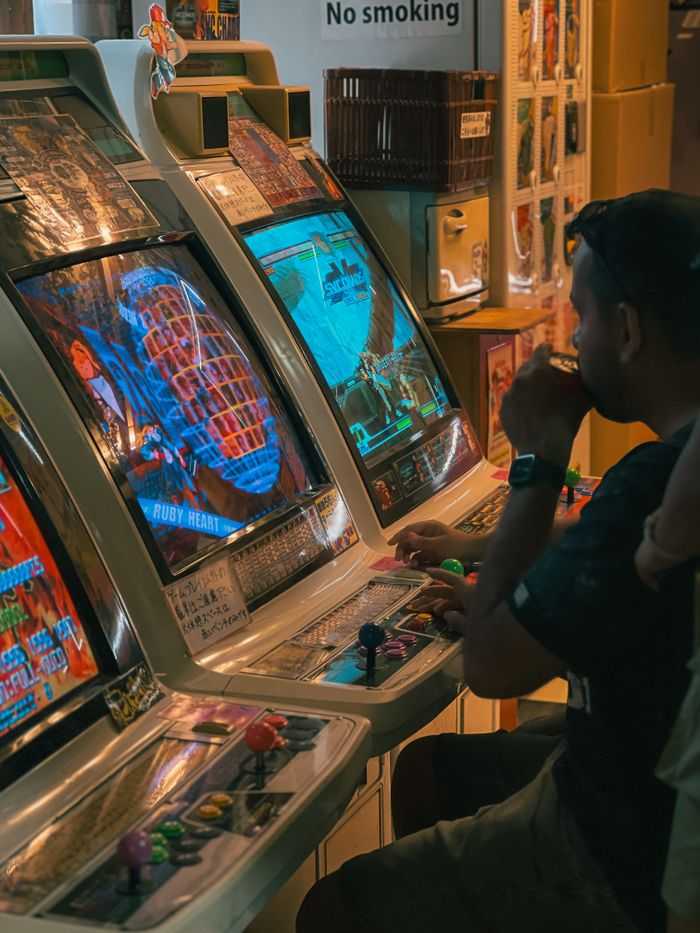
Modern games can offer enormous open worlds, realistic graphics, and complicated progression systems. Yet some of their most recognizable features come from machines that operated with a few buttons, flashing lights, and simple rules. The spinning reels of early gaming machines, the satisfying sound of collecting points, and the anticipation of an unpredictable result have all survived the transition to the digital age.
Classic gaming mechanics continue to influence modern game design, particularly through spinning reels, randomized rewards, and recognizable visual patterns. These elements have evolved considerably over the years, yet their basic appeal remains largely unchanged. From arcade machines to modern digital casino formats, developers continue to draw on familiar concepts that combine simple interactions with unpredictable outcomes. Slot-style reels and chance-based rewards still turn up everywhere, and a Reddit thread on top online casinos in Texas has players weighing up those same mechanics in new packaging. The underlying principles still date back to gaming’s early years.
So why do developers keep returning to mechanics that have existed for decades?
Simple Actions, Immediate Results
Early arcade games had little room for complicated instructions. Players needed to understand what was happening almost immediately, whether they were guiding Pac-Man through a maze, controlling a paddle in Pong, or watching symbols align on a mechanical reel. That simplicity became one of arcade gaming’s greatest strengths. A small number of actions could produce surprisingly engaging experiences, particularly when combined with increasingly difficult challenges or unpredictable outcomes.
The history of arcade gaming shows how early developers experimented with simple controls, recognizable mechanics, and creative approaches that helped shape modern video games. Titles such as Pong and Computer Space demonstrated how straightforward concepts could introduce entirely new ways of playing. Despite the technological limitations of the time, these early experiments established design principles that continue to influence games today.
Why Randomness Still Matters
Randomness is another mechanic that has survived nearly every major technological shift in gaming. In older arcade experiences, unpredictable enemy movements, changing obstacles, and variable rewards helped prevent gameplay from becoming repetitive. Modern games use similar principles through randomized loot, procedural environments, shuffled cards, and unexpected encounters. The technology has become more sophisticated, but the basic purpose remains familiar: introduce variation so that individual sessions do not unfold identically.
Apple’s GameplayKit documentation explains how randomization supports everything from role-playing encounters to unpredictable character behavior. Developers can control probability distributions while preserving the appearance of uncertainty.
However, randomness alone does not guarantee enjoyable gameplay. Players still need meaningful decisions, understandable rules, and a reasonable sense of progression. When outcomes feel disconnected from player actions, unpredictability can become frustrating rather than entertaining.
The Evolution of Digital Rewards
Reward systems have also changed considerably since the earliest arcade machines. Traditional games frequently relied on points, additional lives, unlocked stages, and high-score tables. These rewards gave players recognizable objectives without requiring elaborate progression systems.
Modern games have expanded that approach through achievements, collectible items, character upgrades, and randomized equipment drops. Although the presentation has changed, many systems still follow the familiar sequence of completing an action and receiving feedback.
A 2022 study of random rewards examined how different reward mechanisms influence player experiences. Its findings highlighted the importance of reward value, presentation, and the relationship between chance and skill. These distinctions matter because rewards serve different purposes across gaming genres.
Familiar Design in a Changing Industry
Classic gaming influences extend further than individual reward systems. Sound effects, visual feedback, recognizable symbols, and responsive controls continue to shape how games communicate with players. A successful action might trigger a short animation, a distinctive sound, or a change in the interface. These small details help players understand what happened without interrupting the experience.
New technology will undoubtedly introduce different ways to interact with games. Nevertheless, the fundamentals of responsive controls, understandable objectives, and satisfying feedback remain remarkably consistent. Classic mechanics endure because simple, carefully designed interactions can remain effective long after the machines that introduced them have disappeared.
 LobbyBrett played a pivotal role in the technical architecture of The Hake Gamer, ensuring the platform could support its complex range of modding resources and community features. His contributions to the project's foundation allowed for a seamless integration of high-performance data and user-focused tools. By bridging the gap between sophisticated backend design and the needs of a growing gaming community, Speronzo helped turn the initial concept into a robust, functional reality.