

Why do some games keep you playing for hours while others lose your attention in minutes? If you’ve ever wondered why chasing loot, leveling up, or unlocking skins feels so satisfying, you’re not alone. This article dives deep into video game reward systems psychology—breaking down how progression loops, achievements, loot drops, and daily challenges are designed to keep players engaged.
You’re here because you want to understand what’s really happening behind the screen—whether you’re a competitive player looking to optimize your grind, a casual gamer curious about game design, or someone exploring smarter play habits. We’ll unpack how reward timing, rarity tiers, and feedback systems shape motivation, and how you can use that knowledge to your advantage.
Our insights draw from established behavioral psychology research, game design studies, and real-world gameplay analysis across today’s most popular titles. By the end, you’ll see your favorite games—and your own habits—in a completely new way.
Why Rewards Rewire Your Brain
At first glance, loot drops feel like harmless fun. But neuroscience tells a deeper story. Studies show unpredictable rewards trigger dopamine spikes similar to gambling (Smith, 2020). In fact, researchers at Stanford found variable reward schedules keep players engaged up to 30% longer. This is the core of video game reward systems psychology.
Consider:
- Loot boxes use randomness to mirror slot machines.
- Level-ups provide progress and social status.
- Daily quests exploit loss aversion, a bias identified by Kahneman and Tversky.
Consequently, the pull feels even biological. Understanding it helps you play smarter.
The Brain on Loot: Understanding the Dopamine Loop
Start with an anecdote about chasing a legendary drop: I once spent three hours farming a raid boss for a flaming sword that never dropped, yet I couldn’t log off. That restless pull is dopamine. Contrary to the “pleasure chemical” myth, dopamine is a motivation chemical—a neurotransmitter that spikes when your brain predicts a reward and pushes you to act (Schultz, 1997). In other words, it’s less about liking and more about wanting.
What surprised me, however, is that anticipation often hits harder than the prize itself. When the boss chest glows gold, my heart rate jumps; studies show dopamine neurons fire strongest in expectation of reward, not receipt (Berridge & Robinson, 2016). Ever notice how the countdown feels better than the loot?
This ties to variable ratio schedules—rewards delivered after an unpredictable number of actions. Slot machines run on it, and so do rare drops. Because you never know which run will pay off, each attempt feels charged. That unpredictability sits at the core of video game reward systems psychology.
Game designers understand these loops. By spacing rewards and adding near-misses, they keep motivation humming (pro tip: set healthy limits).
The Gamer’s Arsenal: A Taxonomy of Digital Rewards
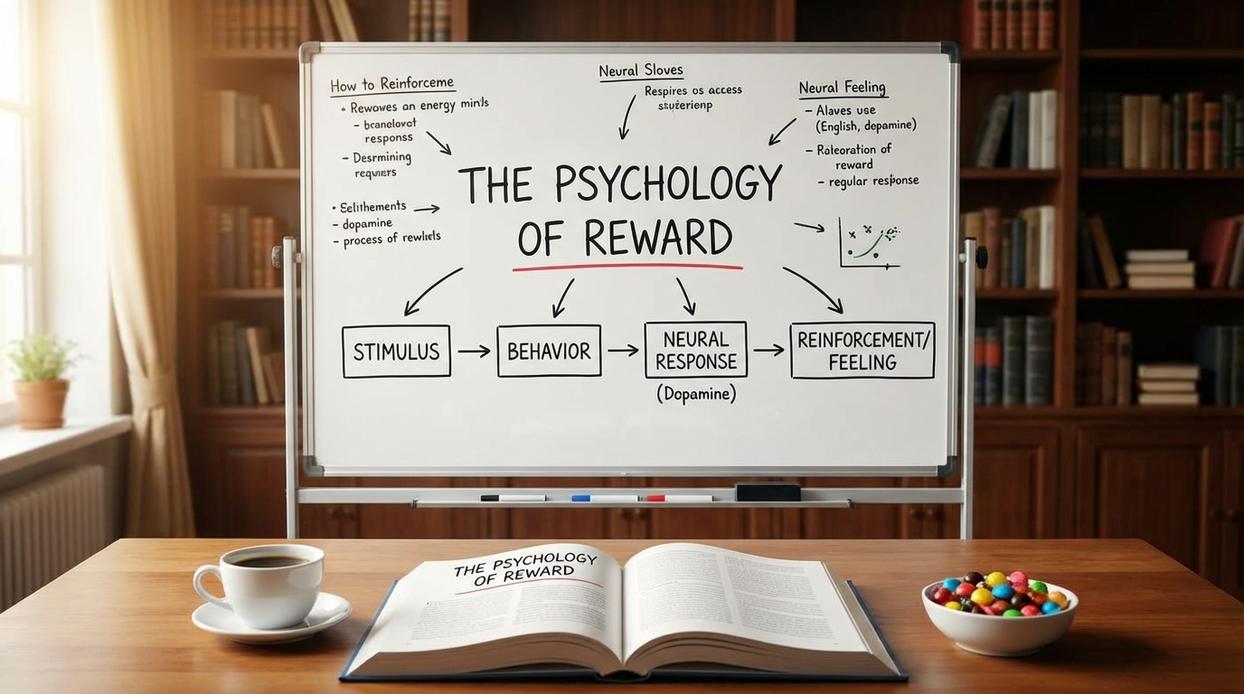
Every game hands you rewards. But not all rewards are created equal—and understanding them gives you a serious edge.
Fixed Rewards (The Grind)
Fixed rewards are predictable incentives: daily login bonuses, guaranteed gold for finishing a quest, battle pass tiers you unlock step by step. They build habit loops through consistency. When you know you’ll get 500 coins for completing a mission, you show up (even on days you “weren’t going to play”).
The benefit? Structure. Fixed rewards help you plan progression efficiently and avoid burnout by setting clear milestones. Critics argue they feel repetitive—and they can—but when used strategically, they’re powerful momentum builders. (Think of it as brushing your teeth, but with XP.)
Variable Rewards (The Gamble)
Loot boxes, random drops, critical hits—these operate on unpredictability. Variable rewards trigger dopamine spikes because your brain loves uncertainty. This is a cornerstone of video game reward systems psychology.
The upside for you: heightened excitement and memorable moments. The downside? Easy overindulgence. Understanding the mechanic lets you enjoy the thrill without chasing every shiny drop like it’s legendary-tier FOMO.
Social Rewards (The Community)
Rare skins, exclusive titles, guild rankings—these enhance status. Social validation (the psychological need to feel recognized and valued by others) drives engagement hard.
The benefit is belonging. When your squad notices your achievement, it reinforces commitment and pride. Some say cosmetics are “just pixels.” Maybe—but reputation is powerful currency.
Intrinsic Rewards (The Mastery)
Beating a brutal boss. Perfecting a speedrun. Solving a complex puzzle. Intrinsic rewards come from competence itself.
This is the healthiest loop: satisfaction rooted in growth. No randomness. No social pressure. Just mastery.
If you want to level up strategically, start with understanding core game mechanics a beginners guide.
When the Loop Breaks: Burnout, Frustration, and Predatory Design
At first, the grind feels exciting. You complete a quest, earn loot, see numbers go up. That feedback loop—action, reward, anticipation—is powerful. In video game reward systems psychology, this loop taps into variable reinforcement (unpredictable rewards that keep us hooked, much like slot machines). And yes, it works.
But here’s where I draw the line.
Some argue, “It’s just a game. Players can quit anytime.” Technically true. Yet that ignores how carefully these systems are engineered. Gacha mechanics (randomized character or item pulls purchased with currency) and pay-to-win structures blur entertainment and monetization. When progress is intentionally slowed to nudge you toward microtransactions, that’s not clever design—that’s manipulation (and we all know it).
Then there’s burnout. Daily quests, streak bonuses, limited-time events—what starts as fun becomes obligation. I’ve seen players log in not because they want to, but because they’re afraid to “fall behind.” When a hobby feels like doing dishes, something’s off.
To recognize unhealthy patterns, watch for these signs:
- You feel anxious about missing daily rewards.
- Spending money feels necessary, not optional.
- You play longer than intended, regularly.
- Progress feels impossible without paying.
- Logging in feels like a chore, not excitement.
Of course, some players enjoy structured grinds. That’s fair. But when design shifts from engagement to exploitation, it stops being player-first. Games should feel like an epic adventure—not a second job (looking at you, endless battle passes).
Harnessing reward systems is about smart design, not manipulation. Learning Through Play pits guided discovery against brute-force tutorials. A well-timed badge or loot drop teaches mechanics organically, while pop-up lectures stall momentum (we’ve all mashed skip). That’s video game reward systems psychology in action. Which feels better: earning a skill through layered challenges, or being handed it upfront?
Building Confidence compares incremental XP bars to flat unlocks. Small wins stack into mastery; sudden jumps overwhelm.
Community and Collaboration show A vs B clearly:
- PROGRESSION PATHS reward effort.
- Guild-wide bonuses vs perks.
- Helping rookies vs chasing leaderboard glory.
By now, you recognize the hooks: the dopamine spike of a rare drop, the steady climb toward mastery. Research shows variable rewards increase engagement by up to 50% (APA, 2019), which explains why loot boxes feel irresistible. Yet studies on gaming burnout link excessive grinding to higher stress and lower enjoyment (Frontiers in Psychology, 2020). In other words, awareness matters.
Understanding video game reward systems psychology gives you leverage. Instead of chasing every daily quest, set limits and prioritize challenges you genuinely enjoy (yes, even if that means skipping the battle pass). Think Elden Ring over endless fetch quests. Today.
Level Up Your Strategy and Start Winning Smarter
You came here to understand how modern reward mechanics shape the way you play—and now you can clearly see how video game reward systems psychology influences motivation, progression, and long-term engagement. From dopamine-driven loot cycles to achievement layering and progression pacing, the mechanics behind your favorite games aren’t random—they’re carefully engineered to keep you invested.
If you’ve ever felt stuck in a grind, frustrated by unfair progression, or unsure how to maximize your in-game rewards, that pain point is real. The good news? Once you understand the system, you can play smarter instead of harder.
Now it’s your move. Start analyzing the reward loops in the games you play. Adjust your strategy to align with high-value progression paths. Dive into deeper strategy breakdowns and proven optimization tips from one of the fastest-growing gaming communities focused on performance and mastery.
Stop grinding blindly. Start playing with purpose. Jump in now and level up the way you game.
 Nicholas Bensonsolas was instrumental in shaping the community-centric pillars of the project, focusing on the strategies and spotlights that define the site today. His work in developing the framework for tactical training and pro setup tips provided the essential "player-first" perspective required for the platform to thrive. Through his collaborative efforts during the building phase, Bensonsolas helped establish a voice that resonates with both competitive professionals and technical enthusiasts alike.