

Gaming moves fast. New metas emerge overnight, community debates spark daily, and the difference between casual play and competitive edge often comes down to the smallest details. If you’re here, you’re looking for more than surface-level updates—you want strategies that work, insights that matter, and a real understanding of what’s shaping the scene right now.
This article dives into the hottest topics in gaming, from evolving strategies and smart modding approaches to pro-level setup tips that can immediately improve your performance. We’ll also spotlight the growing impact of grassroots esports tournaments, where raw talent and tight-knit communities are redefining competitive play from the ground up.
Our coverage is built on hands-on experience, active community engagement, and deep analysis of current trends across multiple titles. Whether you’re optimizing your setup, refining your tactics, or staying plugged into the culture, you’ll find practical, actionable insights designed to level up your game.
Beyond the Pros: Your Guide to Grassroots Competitive Gaming
Think esports is only for packed arenas and million-dollar prize pools? Think again. Competition thrives locally. Many players argue the pro scene is too intimidating, too political, or simply unreachable—and they’re not wrong. Contracts, sponsors, and rankings can feel like another universe.
That’s where grassroots esports tournaments come in. These community-run brackets offer structured play without the pressure cooker atmosphere. You gain real match experience, meet rivals-turned-friends, and sharpen strategy.
Start by checking Discord servers, local game shops, or online ladders. Practice intentionally, review replays, and volunteer to help organize events.
Why Community-Run Tournaments Are the Heart of Esports
In my view, nothing captures the soul of competitive gaming quite like grassroots esports tournaments. While the pro scene dazzles with million-dollar prize pools and franchised teams, it can feel distant (and corporate). By contrast, amateur brackets offer skill development in a low-pressure environment, meaning players compete to improve rather than to protect a contract.
For example, a local LAN at a gaming café lets newcomers test strategies, swap tips, and laugh off losses. Meanwhile, Discord-run leagues connect players across continents, turning usernames into friendships. These formats—offline meetups, seasonal ladders, community cups—prove competition doesn’t need stadium lights to matter.
Some argue only professional circuits “grow” esports because they attract sponsors and media coverage (Forbes, 2023). I disagree. Without community building and mentorship at the base, top tier collapses. Pro tip: start small, focus on feedback, and let passion—not prize money—drive the grind.
Where to Find Your First Amateur Competition
Breaking into competitive play starts with knowing where to look. Fortunately, today’s tools make finding your first event much easier than it was a decade ago.
Dedicated Tournament Platforms
Platforms like Battlefy, Toornament, and Challengermode are built specifically to organize competitions. They streamline registration, automate bracket creation (single-elimination, double-elimination, round robin—formats that determine how winners advance), and send match notifications so you’re never guessing about start times. Many grassroots esports tournaments list exclusively on these platforms, making them a reliable first stop. Create a free account, filter by your game, region, and skill level, and check entry requirements carefully.
Social & Community Hubs
Discord is the real command center. Search for your game’s official server or use directories like Disboard to find competitive communities. Most servers have a #tournaments or #events channel where organizers post sign-ups. Don’t just lurk—introduce yourself and ask questions (yes, it feels awkward, but everyone started somewhere).
Leveraging Reddit and Social Media
Subreddits like r/tournaments and game-specific communities frequently share upcoming events. Facebook Groups and even X posts from local organizers can reveal smaller brackets perfect for beginners. Set notifications for keywords tied to your game to avoid missing deadlines.
In-Game Resources
Many modern titles include built-in tournament tabs or event browsers that players overlook. Check the main menu for “Community Events” or “Competitive.”
Pro tip: Start with smaller brackets under 32 players. You’ll gain experience without feeling like you’ve entered The Hunger Games of esports.
Getting Ready to Compete: A Beginner’s Checklist
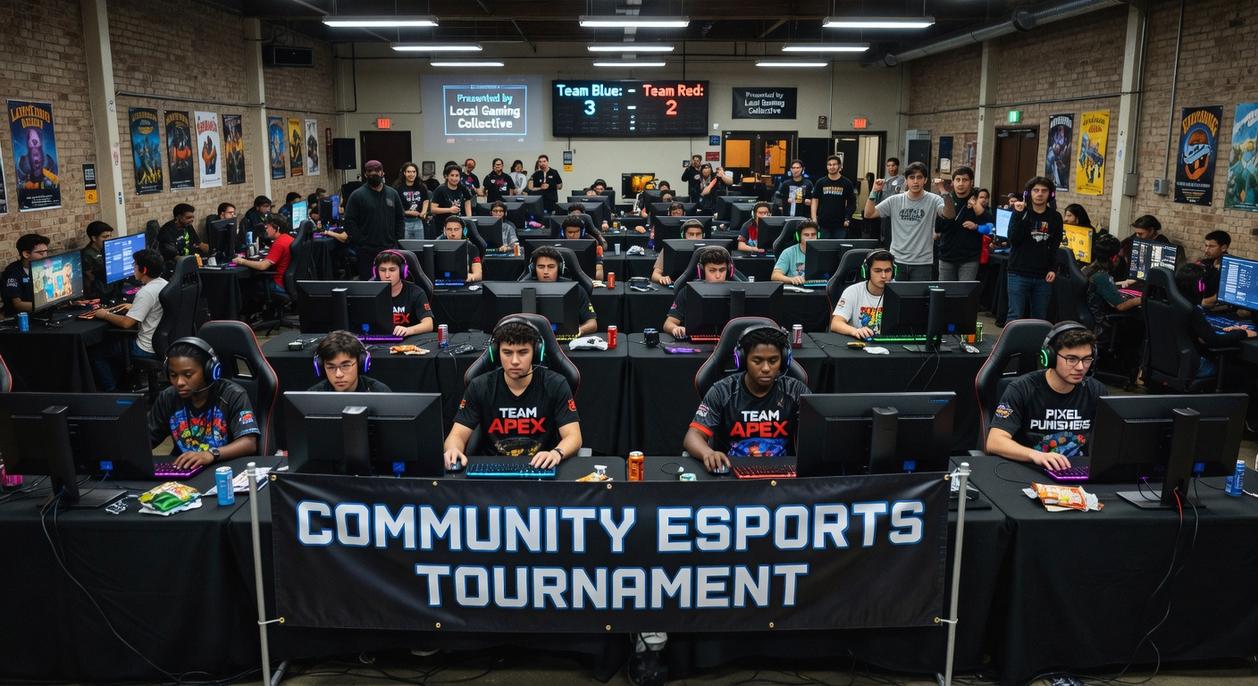
Jumping into your first tournament can feel overwhelming (like queuing ranked for the first time and realizing everyone else has better aim). Let’s simplify it.
Team Formation
If you don’t already have a squad, use “Looking For Group” (LFG) channels on Discord or tournament sites. An LFG is simply a space where solo players post roles, ranks, and availability to form teams. You’ll choose between:
- Solo queue entry: You join alone and get matched with others.
- Pre-made team: You register with a full roster you already trust.
Solo queue builds adaptability. Pre-mades build synergy. Neither is “better” — it depends on your goals.
Understanding the Rules
Read the rulebook. Seriously. Look for:
- Match format (Bo1 = Best of One, Bo3 = Best of Three)
- Map pools (the approved maps for play)
- Character or weapon restrictions
Missing a small detail can mean a forfeit.
Pre-Flight Tech Check
Before match day, confirm your:
- Internet stability (wired > Wi-Fi, pro tip)
- Game updates
- Peripherals and audio
Many grassroots esports tournaments enforce strict start times.
The Right Mindset
Focus on growth and sportsmanship. A win-at-all-costs attitude burns teams out fast. Even many of the content creators who shaped multiplayer game communities started as passionate amateurs learning publicly. Compete to improve — the wins follow.
From Player to Organizer: Hosting Your Own Community Event
So you’ve played enough tournaments to think, “I could run this better.” Good. Let’s build it.
Step 1: The Blueprint
First, define your format. Single Elimination (one loss and you’re out) works great for fast-paced brackets. Double Elimination (two losses before elimination) feels fairer and keeps players engaged longer. Round Robin (everyone plays everyone) is ideal for small groups who value playtime over speed. For example, an eight-player Smash event on a weeknight? Single elimination. A weekend Valorant event? Double elimination.
Next, set a realistic schedule. Add buffer time between matches (players will be late—trust me). Pro tip: publish start times in one time zone and stick to it.
Step 2: Leveraging Tools
Now streamline it. Platforms like Challengermode automate brackets and check-ins. Alternatively, a Discord bot can handle registration and score reporting. This reduces admin chaos (and frantic DM spam).
Step 3: Spreading the Word
Then, promote smartly. Post in relevant subreddits, Discord servers, and Facebook groups focused on grassroots esports tournaments. Be specific: game, region, prize, start time. Clarity converts.
Step 4: Game Day Management
Finally, be visible and fair. Confirm scores publicly, respond quickly, and document disputes. Clear rules + calm communication = repeat players.
Your Competitive Journey Starts Now
You can almost hear the click of keyboards and the low roar of Discord lobbies warming up. That’s the sound of opportunity. Community-run events are the bridge between late-night matchmaking and bright stage lights, and grassroots esports tournaments give every dedicated player a place to stand.
Feel the tension in your hands, the slight tremor before the countdown hits zero—that’s growth knocking. Some say you need elite stats before competing, but improvement thrives under real pressure.
Pick one platform, sign up this week, and step into arena. The best way to start is to play.
As grassroots esports events gain popularity through fan tournaments, participants often seek to enhance their skills, making resources like ‘Advanced Combat Strategies for Competitive Multiplayer Games‘ invaluable for elevating their gameplay.
Level Up Your Competitive Edge
You came here to understand how to sharpen your skills, compete smarter, and find your place in today’s fast-moving gaming scene. Now you have a clearer roadmap—from optimizing your setup and refining strategy to getting involved in grassroots esports tournaments that build real competitive experience.
The frustration of feeling stuck, outplayed, or overlooked is real. Every gamer hits that wall where progress feels slow and the competition feels miles ahead. But the difference between staying stuck and breaking through comes down to focused practice, smart community involvement, and using the right tools.
Here’s your next move: put these strategies into action today. Upgrade one part of your setup, join a community event, or sign up for a local grassroots esports tournaments bracket this month. Take deliberate steps that push you out of casual play and into structured competition.
Thousands of competitive players are already refining their edge with proven strategies and community-driven events. Don’t stay on the sidelines while others level up.
Start now. Dial in your setup, commit to consistent practice, and jump into your next tournament. Your next rank, win streak, or breakthrough performance is waiting.
 Nicholas Bensonsolas was instrumental in shaping the community-centric pillars of the project, focusing on the strategies and spotlights that define the site today. His work in developing the framework for tactical training and pro setup tips provided the essential "player-first" perspective required for the platform to thrive. Through his collaborative efforts during the building phase, Bensonsolas helped establish a voice that resonates with both competitive professionals and technical enthusiasts alike.