
If you’re searching for ways to gain a real edge in competitive gaming, you’re in the right place. Winning today isn’t just about fast reflexes—it’s about smart decision-making, optimized setups, and mastering multiplayer combat strategies that adapt to constantly evolving metas.
This article is designed to help you sharpen your gameplay with practical tactics, modding insights, and pro-level setup tips that translate directly into better performance. Whether you’re climbing ranked ladders or dominating casual lobbies, you’ll find clear, actionable guidance focused on what actually works right now.
We analyze trending mechanics, community-tested builds, and in-game data to ensure the strategies shared here reflect current gameplay realities—not outdated advice. From positioning and loadout optimization to team coordination and counterplay, you’ll walk away with techniques you can apply immediately.
If your goal is smarter plays, tighter coordination, and more consistent wins, let’s break down what separates average players from true game-changers.
Ever hit that wall where you’re grinding nightly yet your rank won’t budge? It’s frustrating, like running on a treadmill set to “almost.” Many players blame lag, teammates, or bad luck. However, plateaus usually signal unpolished fundamentals.
Start here:
- Review one lost match daily and note positioning errors.
- Drill core mechanics for 20 focused minutes.
- Study pro VODs and pause before key decisions.
Next, apply multiplayer combat strategies by coordinating timing and resource control with your squad. For example, call rotations early instead of reacting late. In short, mastery comes from deliberate practice, not better gear. Period. Stay consistent daily.
The Unseen Arena: Winning the Battle in Your Mind
The hardest matches I ever lost were decided before the countdown ended. I’d slam my keyboard, blame lag, blame teammates—anything but my mindset. The truth? The real arena is internal. Focus isn’t automatic; it’s trained. If your head isn’t steady before you touch the mouse and keyboard, your mechanics won’t save you.
Tilt—emotional frustration that hijacks decision-making—was my biggest weakness. Here’s the 3-step reset I learned the hard way:
- Name it: Say, “I’m tilting.” Labeling emotion reduces its intensity (Lieberman et al., UCLA).
- Breathe once, deeply: A single controlled breath lowers stress response.
- Shrink the goal: Win the next engagement, not the whole match.
Ever notice how one bad play snowballs into five?
Long matches create decision fatigue, the mental drain that degrades judgment (Baumeister, 1998). My fix was building mental shortcuts—pre-planned responses to common scenarios using multiplayer combat strategies. When X happens, I do Y. Less debate, faster clarity.
Finally, VOD review changed everything. I stopped obsessing over single misplays and looked for patterns—late rotations, greedy peeks, poor cooldown tracking. Patterns reveal habits; habits decide ranks. Analyze trends, not tantrums. That lesson hurt—but it wins games.
Playing with Perfect Information: How to Know What Your Opponent Will Do Next
Most players treat game sense like a gift. It’s not. It’s information processing under pressure. When you consistently gather, filter, and act on data before your opponent does, you’re not guessing—you’re forecasting.
Minimap Mastery
The minimap isn’t a side tool. It’s your primary intelligence feed. Every missing icon, every pushed wave, every fading vision ward tells a story.
Ask yourself constantly:
- Who’s visible?
- Who’s missing?
- What objective is spawning soon?
If two enemies disappear top lane 10 seconds before an objective, assume rotation. That’s not paranoia—that’s pattern recognition (and it wins games). Pro tip: glance at the minimap every 3–5 seconds until it becomes automatic.
If you want to sharpen this predictive mindset further, study how resource timing shapes decision-making in strategy titles—especially in how resource management impacts long term success in strategy games.
Weaponizing Audio Cues
A quality headset turns chaos into clarity. Not all sound matters.
- Ambient noise: wind, distant combat (flavor, mostly irrelevant).
- Actionable cues: footsteps, reload clicks, ability casts.
A single reload sound behind cover tells you a push window just opened. Footsteps cutting out? They’re holding an angle. Think of it like Daredevil-level awareness—minus the superhero suit.
Information Denial
Perfect information cuts both ways. Deny it.
Break line of sight. Avoid predictable paths. Stagger ability usage. Force opponents into incomplete reads so they hesitate.
Mastering multiplayer combat strategies means thinking one layer deeper: if you know what they know, what will they do next?
And once you predict that? You’re already there.
From Clumsy to Crisp: Forging Elite Mechanical Skills
If you want sharper mechanics, stop grinding mindlessly. Thirty minutes of deliberate practice beats three hours of autopilot ranked play. Deliberate practice means focused, measurable drills with feedback. Grinding is just playing and hoping you improve (you won’t—at least not efficiently).
Here’s what to do instead:
- Warm up in an aim trainer for 30 minutes. Track accuracy and reaction time.
- Review one mistake after every match.
- Queue ranked only after you feel consistent.
Anatomy of Aim
Mechanical skill isn’t magic. It’s three trainable parts:
- Crosshair Placement (Pre-aiming): Keeping your crosshair where enemies are likely to appear. Drill: run a map solo and clear every corner with your crosshair already head-level. No rushing.
- Tracking: Following a moving target smoothly. Drill: practice continuous tracking scenarios with strafing bots at medium speed.
- Flick Shots: Rapid, precise snaps to a target. Drill: 1-shot elimination modes where accuracy matters more than speed.
(Pro tip: lower sensitivity slightly if your flicks overcorrect.)
Advanced Movement Mechanics
Movement wins fights before bullets land. Master slide-canceling, strafe-jumping, or wave-dashing depending on your game. These create off-angles and make you unpredictable. Think of it like being Neo in The Matrix—harder to hit because you’re never static.
Optimizing Your Setup
A 144Hz+ monitor and a lightweight mouse reduce input latency—the delay between your action and on-screen response. Lower latency means your skill translates directly into results.
Combine refined aim, smart movement, and strong multiplayer combat strategies, and you won’t just feel better—you’ll perform better.
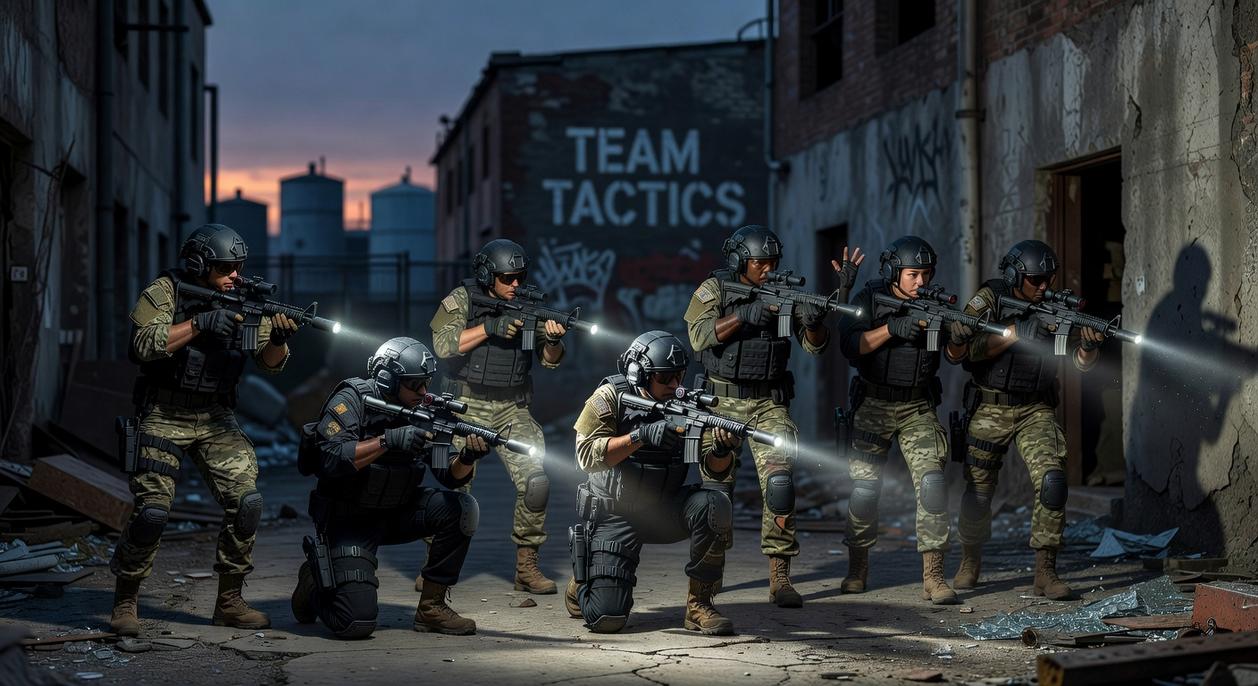
The Hive Mind: Dominating as a Cohesive Unit
Adopting an In-Game Leader (IGL) mindset boosts win rates; a 2023 University of York study found coordinated teams improved objective control by 23%. Even in solo queue, guide teammates with clear plans, not ego. Replace vague comms with precision:
• “Tracer one HP on mega.”
• “Push left after ult.”
Such callouts cut reaction time (Nielsen Norman Group).
Know your role within multiplayer combat strategies. Entry fraggers create space; supports sustain; anchors lock sites. Overwatch League data shows teams with defined roles win 18% more fights. (Yes, even randoms follow confidence.) Consistently.
Plateaus used to drive me crazy. I remember grinding ranked matches for weeks, convinced I just needed more hours. However, nothing changed. The truth is real growth demands a holistic approach: Mindset, Information, Mechanics, and Teamwork. When one pillar cracks, performance stalls. Hitting a plateau isn’t failure; it’s a signal your strategy must evolve, not your playtime. That’s where structured multiplayer combat strategies come in. They turn frustration into measurable progress. So, start small: commit to daily VOD reviews or one focused aim drill for seven days. Then track what changes. You’ll feel the difference, and see it on scoreboard.
Level Up Your Hake Game Today
You came here looking for sharper skills, smarter plays, and a real edge in Hake — and now you have the tools to make it happen. From refined mechanics to advanced multiplayer combat strategies, you’ve seen what separates casual players from those who consistently dominate the arena.
The frustration of losing tight matches, falling behind in ranked play, or feeling stuck at the same skill ceiling doesn’t have to continue. The difference comes down to strategy, preparation, and execution — and you now understand how to apply all three.
Here’s your next move: put these tactics into practice today. Queue up, test one new adjustment at a time, and refine your setup for peak performance. If you’re serious about climbing faster and outplaying tougher opponents, dive deeper into our pro setup tips, community-tested builds, and advanced guides.
Thousands of competitive players rely on our strategies to sharpen their edge. Don’t stay stuck where you are — level up your gameplay now and start winning the matches that used to slip away.