If you’ve ever wondered how your favorite games go from a simple idea to a fully immersive experience, you’re in the right place. Understanding the video game production pipeline is essential for anyone interested in game development, modding, or simply appreciating what happens behind the scenes. From concept art and prototyping to coding, testing, and final release, each stage plays a critical role in shaping the games you love.
This article breaks down each phase in a clear, practical way—so whether you’re an aspiring developer, a modder looking to refine your craft, or a dedicated gamer curious about the process, you’ll walk away with real insight. We draw on industry-standard development practices, current production workflows, and hands-on gaming expertise to ensure the information is accurate and relevant. By the end, you’ll have a solid understanding of how ideas evolve into polished, playable worlds.
From Dream to Digital Reality: The Blueprint of a Video Game
Game development is the structured journey from idea to launch, often called the video game production pipeline.
I’ve shipped projects that crashed because I skipped prototyping—big mistake.
Here’s what that taught me:
- Concept & Pre-Production: Define core mechanics and audience; vague ideas sink teams.
- Production: Art, code, and sound merge; scope creep is the silent boss battle.
- Testing & Launch: Community feedback refines balance; ignoring players backfires.
Some argue creativity thrives without structure, but deadlines and milestones protect vision. Pro tip: prototype fast, fail faster. Early.
Phase 1: The Idea and the Game Design Document (GDD)
Every great game starts with a spark. However, inspiration alone isn’t enough—you need structure. In the video game production pipeline, Phase 1 is where creativity meets clarity.
1. Concept & Brainstorming
First, define your core gameplay loop (the repeating actions players perform, like fight → loot → upgrade). Then clarify your genre and USP (Unique Selling Proposition)—what makes your game different in a sea of battle royales and cozy farming sims? If you can’t explain the fun in one sentence, refine it. Pro tip: pitch your idea to a friend in under 30 seconds. If they lean in, you’re onto something.
2. The Game Design Document (GDD)
Next, create your GDD—the project’s “bible.” It should outline mechanics, story, art direction, target audience, and monetization strategy. Some argue long documents slow teams down. That’s true—if they’re bloated. Keep it clear and practical instead.
3. Prototyping
Then, build a rough prototype. This is the fail-fast stage. Placeholder art is fine (gray cubes are a rite of passage). If the mechanic isn’t fun now, polish won’t save it.
4. Securing Funding & Team Building
Finally, assemble the right team and pitch confidently. Choose collaborators who challenge your ideas—not just agree with them.
Phase 2: Building the World – Art, Code, and Sound
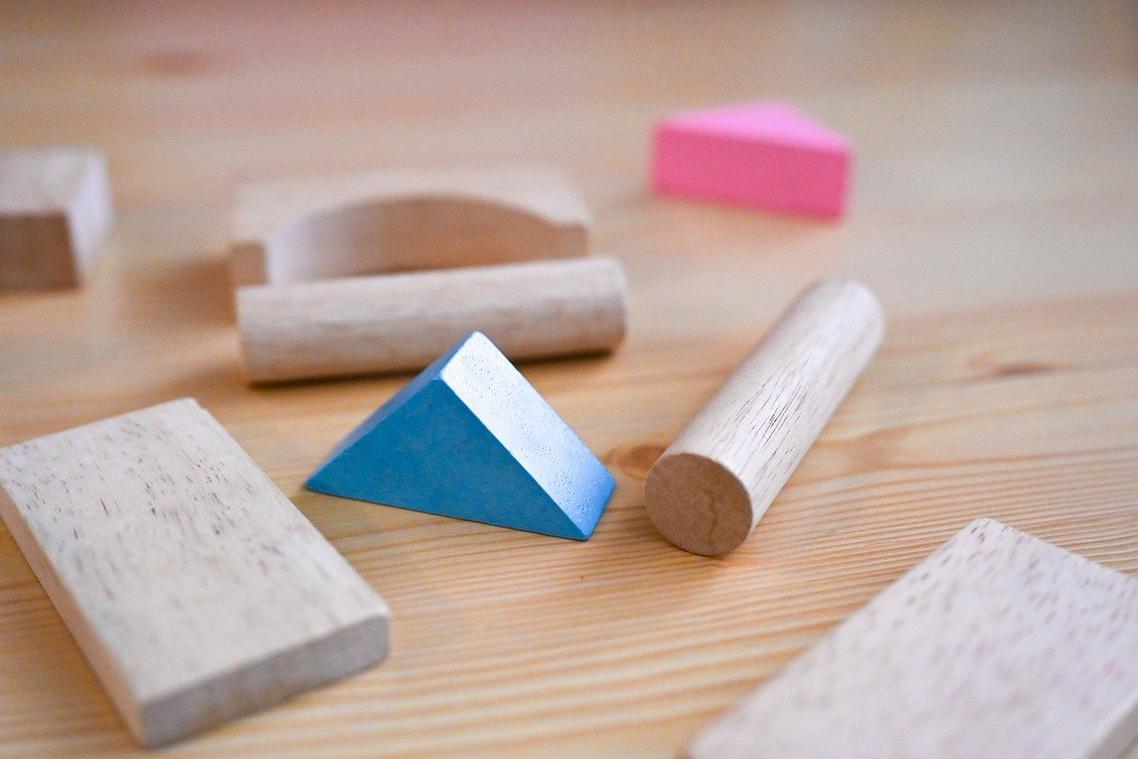
I still remember the first time I saw a gray, lifeless prototype suddenly bloom into a living world. One week it was placeholder cubes sliding across a blank map; the next, it had lighting, textures, and a soundtrack that made the hairs on my arms stand up. That transformation is Phase 2—the longest and most demanding stretch of the video game production pipeline.
At this stage, the Game Design Document stops being theory and starts becoming reality.
Programming & Engineering: The Invisible Architecture
First, programmers build the backbone. We’re talking about thousands—sometimes millions—of lines of code powering physics systems (how objects move and collide), artificial intelligence or AI (how non-player characters make decisions), and gameplay loops (the repeatable actions players perform). According to the Entertainment Software Association, modern AAA games can take 3–5 years to develop, largely due to engineering complexity (ESA, 2023).
Some argue engines like Unreal or Unity do most of the heavy lifting already. And yes, middleware tools accelerate development. However, custom systems, optimization, and platform-specific tweaks still require immense engineering effort (anyone who’s debugged collision at 2 a.m. knows this pain).
Art & Asset Creation: Giving the World a Face
Next comes art. Concept artists define the visual tone. 3D modelers sculpt characters and environments. Texture artists add surface detail, while animators breathe life into movement. UI/UX designers shape how players interact with everything. When I first playtested a build with final animations instead of placeholders, the difference was night and day—it finally felt like a game.
Audio Design: Building the Soundscape
Finally, audio locks in immersion. Composers create themes, sound designers craft SFX (sound effects), and voice actors deliver dialogue. Studies show audio significantly enhances emotional engagement in games (Frontiers in Psychology, 2019).
If you want deeper context, check out a behind the scenes look at how aaa games are developed.
Because in Phase 2, every pixel, line of code, and note matters.
Phase 3: The Polish – QA Testing and Community Feedback
By the time a game reaches Alpha, it’s feature-complete, meaning every major system is in place. In other words, nothing new is being added—at least in theory. Next comes Beta, which is content-complete. That means all levels, characters, and modes are present. From here on out, the focus shifts from building to fixing. Think of it as moving from construction to inspection.
This is where Quality Assurance (QA) comes in. QA is the structured process of identifying, documenting, and reproducing bugs—errors in code that cause crashes, visual glitches, or broken quests. Testers log each issue so developers can track and resolve it. (Yes, they’re the heroes who walk into every invisible wall so you don’t have to.)
Meanwhile, community betas add another layer. Closed and open betas invite real players to stress-test systems at scale. As a result, developers gather feedback on balance, pacing, and performance. Some argue this exposes unfinished work too early. However, early feedback often prevents disastrous launches—just ask anyone who remembers a rocky day-one patch.
Finally, optimization ensures the game runs smoothly across target hardware. This stage of the video game production pipeline involves refining code, compressing assets, and tuning graphics settings so performance feels seamless, not sluggish.
Launch day feels like the final boss battle—victory screen or sudden glitch?
You’ve guided your project through the video game production pipeline, but what happens when it goes gold? Distribution means preparing builds for Steam, PlayStation Store, or retail shelves.
Marketing ramps up fast:
- Trailer reveals and press drops
- Influencer demos and community AMAs
- Strategic countdowns that spark FOMO
Sound familiar?
Still, some argue launch is the finish line. But is it?
Post-launch support proves otherwise: day-one patches, urgent bug fixes, and community management. Would Mario stop after saving the princess? Your players won’t stop playing—so why stop supporting them?
Your Turn: The Path From Player to Creator
You’ve seen the map. The video game production pipeline is no longer some mystical black box—it’s a sequence of learnable steps.
“I thought games just… happened,” a friend once told me. “I didn’t realize real people built them piece by piece.”
That’s the shift. What felt intimidating now feels achievable. Concept, prototype, iterate, launch. Logical. Practical.
Sure, some argue creation is only for coders or art-school grads. But tools like Unity and Unreal are free, and modding communities welcome beginners.
“Start small,” a developer advised me. “Finish something.”
Open project. Press play.
Level Up Your Game Development Journey
You set out to better understand how modern games are created and what it really takes to move from concept to launch. Now you’ve seen how each phase of the video game production pipeline connects—where ideas take shape, where development hurdles appear, and where polish turns a good game into a great one.
If you’ve ever felt overwhelmed by the complexity of game creation or unsure where your project is getting stuck, that frustration is valid. Missed steps, unclear workflows, and poor planning can stall even the most exciting ideas.
The good news? You don’t have to figure it all out alone.
Start applying what you’ve learned today—map out your current stage, identify gaps in your pipeline, and tighten your production process. Then dive deeper into proven strategies, advanced modding insights, and pro-level setup tips designed to help you build smarter and ship faster.
Thousands of passionate gamers and creators rely on our expert breakdowns and community-driven insights to sharpen their edge. If you’re ready to stop guessing and start building better games, explore more guides now and take your next project from idea to playable reality.