
Gaming moves fast. One patch, one balance tweak, or one breakout strategy can completely change how you play. If you’re here, you’re looking for clear, up-to-date insights on the latest gaming trends, smarter strategies, and the real custom game mods impact shaping today’s most popular titles.
This article breaks down what actually matters—from competitive-ready tactics and community-driven discoveries to practical modding enhancements that elevate performance and immersion. Instead of surface-level summaries, you’ll get focused analysis built around how changes affect gameplay, progression, and your overall setup.
Our insights are grounded in hands-on testing, deep dives into patch notes, active participation in gaming communities, and real-world performance comparisons across different configurations. That means no recycled forum chatter—just informed, experience-backed guidance.
Whether you’re refining your strategy, optimizing your rig, or exploring new mods, this guide will help you make smarter decisions and get more out of every session.
Beyond Vanilla
Feeling like you’ve mastered a game is incredible—until it starts feeling predictable. You know every spawn, every twist, every optimal build. The magic fades. That’s where mods step in.
After testing thousands across genres, I recommend starting small: tweak difficulty, rebalance loot, or add quality-of-life fixes. Then experiment with overhauls that transform mechanics, visuals, even AI. The custom game mods impact everything from pacing to personality.
Some argue vanilla purity preserves balance. Fair—but curated mod lists keep challenge intact while reigniting surprise. Start with community-vetted favorites, back up saves, and build your perfect remix.
The Modding Spectrum: From Simple Skins to Total Conversions
A game mod (short for modification) is a user-created change to a game’s files, assets, or code that alters how it looks or plays. Think of it as remodeling a house you already love—sometimes it’s new paint, sometimes it’s knocking down walls.
1. Quality of Life (QoL) Mods
These tweaks fix bugs, clean up cluttered menus, or remove repetitive grind. SkyUI for Skyrim is a classic example, redesigning inventory management for PC players. While some argue QoL mods dilute the “intended experience,” most players see them as overdue patches (especially when developers move on).
2. Cosmetic & Audio Mods
From ultra-HD texture packs to anime-style character skins, these mods refresh visuals without touching mechanics. Custom soundtracks or ambient audio swaps can make a decade-old title feel cinematic again—like giving it a next-gen glow-up.
3. Content Expansion
New quests, regions, NPCs, and weapons extend a game’s lifespan dramatically. Competitors often overlook how these mods quietly test ideas developers later adopt—community R&D in action.
4. Gameplay Overhauls & Total Conversions
Here’s where custom game mods impact becomes undeniable. Overhauls rebalance combat, economies, or progression systems. Total conversions go further, transforming engines into entirely new games (Counter-Strike began this way).
• Pro tip: Always check load order compatibility before stacking major overhauls.
Mods aren’t just add-ons—they’re a parallel innovation pipeline most studios quietly benefit from.
Rewriting the Rules: The Deep Impact on Core Mechanics
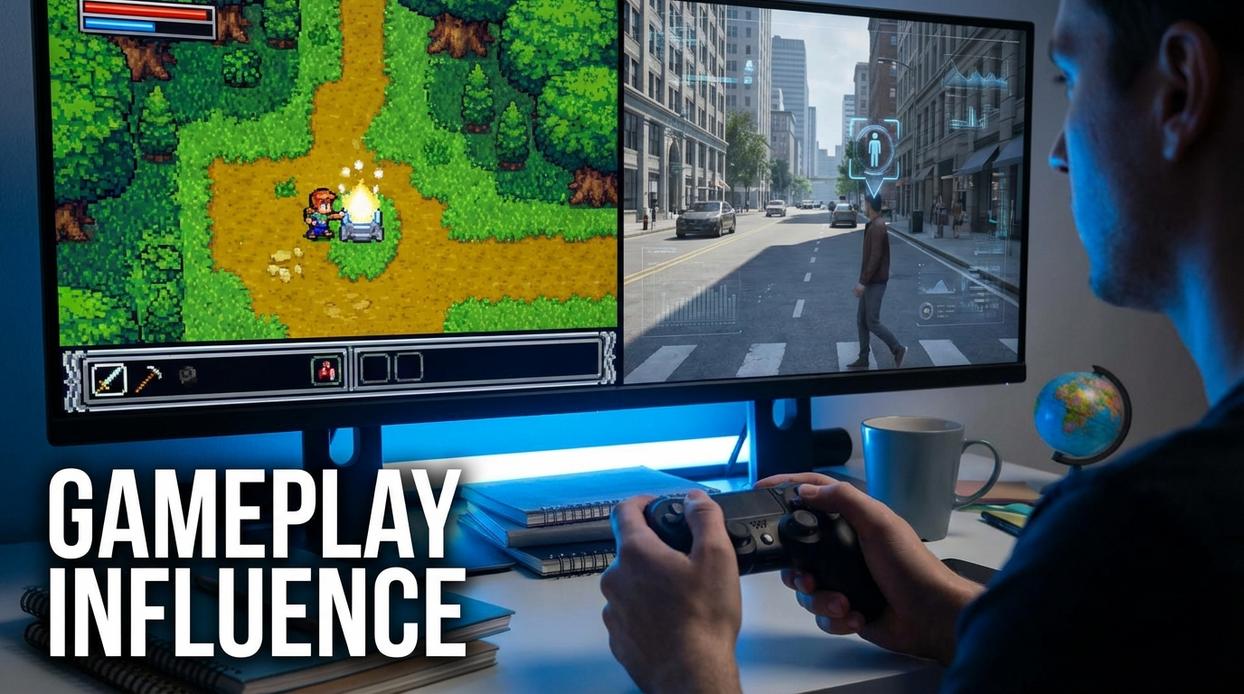
Mods don’t just tweak visuals—they rewrite the RULES of how a game functions. If you’ve ever wondered how a familiar title suddenly feels like a survival simulator or a life sim, the answer usually lies in altered core mechanics.
Altering Difficulty and Challenge
Let’s clarify a key term: core mechanics are the fundamental systems that govern gameplay—combat, health, progression, and resource management. When mods adjust these, the experience changes at its foundation.
For example, survival mods often introduce hunger and thirst meters (meaning your character must eat and drink to stay alive). Others implement smarter enemy AI—artificial intelligence, or how enemies “think” and react. Instead of rushing blindly, enemies may flank you or retreat when injured. Some mods even redesign damage systems so injuries cause bleeding or broken limbs rather than simple health loss.
Critics argue this can make games frustrating or overly complex. That’s fair. Not everyone wants their fantasy RPG to feel like a wilderness survival documentary. But for many players, higher stakes create immersion—and immersion is what keeps long-term engagement alive (like turning a casual jog into a marathon).
Introducing New Systems
Some mods go further by adding entirely new systems. A dynamic economy means prices shift based on supply and demand. An intricate crafting system might require layered materials and schematics instead of a single click. Relationship systems allow NPCs (non-playable characters) to remember your actions and respond differently over time.
These additions can feel overwhelming at first. Yet they often extend replay value dramatically.
Expanding Player Abilities
New skill trees, magic spells, or character classes redefine player agency—your ability to influence the game world. Suddenly, you’re not just a warrior but a spellblade or merchant prince.
The Niche Effect
Communities also create hyper-focused mods—from detailed fishing mechanics to full “hake”-themed overhauls. This illustrates the limitless creativity behind custom game mods impact.
Of course, complexity raises ethical questions, especially in multiplayer spaces—explored further in the ethics of modding in online multiplayer games.
Pro tip: Start with one system overhaul at a time to avoid mechanic overload.
Crafting New Worlds: The Aesthetic and Immersive Power of Mods
Ever boot up a beloved classic and think, Why does this look like it’s covered in petroleum jelly? You remember epic landscapes—then BAM—muddy textures and flat lighting shatter the illusion.
Visual Fidelity
Graphical mods—like ENBs (post-processing injectors that enhance lighting and color), 4K texture packs (higher-resolution surface details), and full lighting overhauls—can transform a decade-old title into something that rivals modern releases. When shadows behave realistically and torches cast warm, dynamic light, your brain buys into the world. Studies on visual immersion suggest environmental realism increases player engagement and presence (IJHCS, 2018). In plain terms: better visuals make you care more.
And yes, some argue that graphics don’t matter—“gameplay is king,” they say. Fair. But when the water looks like blue plastic, it’s hard to feel heroic.
Atmospheric Audio
Then there’s sound. Custom ambient effects, expanded voice acting, or entirely new musical scores can shift tone dramatically. A forest that creaks and whispers at night hits differently than one that sounds like silence.wav. Audio immersion has been shown to heighten emotional response and tension (Frontiers in Psychology, 2019). That’s not fluff—that’s neuroscience.
User Interface Customization
UI mods streamline cluttered menus and intrusive HUD elements. Clean layouts mean:
- Less distraction
- More environmental focus
- Fewer immersion-breaking pop-ups
When you’re not wrestling menus, you’re actually adventuring.
How Aesthetics Influence Gameplay
Here’s the connection: a richer world invites exploration. You linger. You notice details. You take the long road instead of fast traveling. That’s how custom game mods impact more than visuals—they subtly reshape behavior.
IGNORE aesthetics if you want. But don’t be surprised when the magic fades.
Your game, your rules. That’s the core idea: modding turns players into co-developers, ensuring a game never truly ends. When updates slow and content dries up, frustration sets in. We’ve all felt that stagnation—the sense that our favorite world has nothing new left to offer. However, mods flip that script. They answer the craving for tailored mechanics, smarter systems, and twists.
Why does it work? Because community creativity scales infinitely, delivering experiments and refinements official studios can’t match. In fact, the custom game mods impact extends beyond cosmetics, reshaping economies, AI, and narratives. Some critics argue mods fracture balance or vision, and occasionally they do. Yet, I’d speculate that future games will launch with built-in mod tools, like handing players the Infinity Gauntlet (with fewer universe-ending consequences).
So, start small. Visit Nexus Mods or Steam Workshop, pick favorite game, and sort by most endorsed or downloaded to see what’s possible.
Level Up Your Hake Experience
You came here to understand how to sharpen your edge, stay ahead of the meta, and get more out of your gaming sessions. Now you’ve seen how smart strategies, optimized setups, community insights, and especially custom game mods impact your performance and overall experience.
The truth is, falling behind in today’s fast-moving gaming landscape is frustrating. Outdated tactics, unoptimized builds, and ignoring mod potential can hold you back while others surge ahead. When you know how to adapt, tweak, and refine your approach, you don’t just play—you compete.
The next move is simple: start applying what you’ve learned. Test new strategies. Upgrade your setup. Explore high-quality mods that enhance gameplay without compromising stability. Engage with the community and refine your skills consistently.
If you’re serious about dominating your matches and unlocking the full potential of your game, don’t settle for average. Join thousands of dedicated players who rely on our proven strategies, in-depth mod breakdowns, and pro-level setup tips. Dive in now and transform the way you play.