Gaming is evolving faster than ever, and players are searching for deeper immersion, smarter strategies, and the tools that give them a competitive edge. Whether you’re looking to master advanced mechanics, explore cutting-edge mods, or understand how innovations like motion capture in video games are reshaping realism, this article is built to give you clear, actionable insights.
We break down the latest hot topics, proven gameplay strategies, and pro-level setup tips that actually make a difference in performance. Instead of surface-level commentary, you’ll find practical guidance grounded in hands-on testing, community feedback, and analysis of emerging trends across the gaming landscape.
If your goal is to play smarter, customize better, and stay ahead of what’s next, you’re in the right place. Let’s dive into what matters most right now—and how you can use it to level up your experience immediately.
Beyond the Dots: What Exactly is Motion Capture?
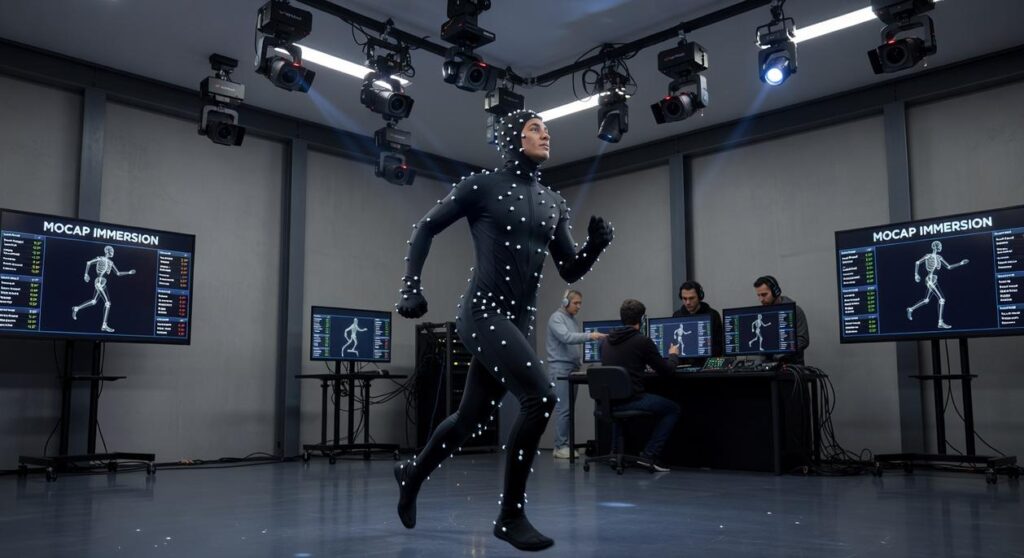
At its core, motion capture in video games is the process of recording the movement of real people or objects and translating that motion into digital data. Think of an actor wearing a suit covered in reflective markers. Cameras track those markers in 3D space, capturing every step, punch, or subtle shrug. Alternatively, inertial systems skip the cameras and rely on gyroscopes and accelerometers embedded in a suit to track rotation and orientation.
So which is better: optical or inertial? Optical systems (like Vicon) offer pinpoint accuracy but require controlled studio setups. Inertial suits are portable and cheaper, yet can drift over time. In other words, it’s precision versus flexibility.
Importantly, the result isn’t a finished animation. The captured data forms a digital skeleton. Animators then map that skeleton onto a 3D character model, refining and polishing performances (think Avengers-level VFX complexity).
From Pixels to Performance
In the beginning, animators relied on rotoscoping, a technique where artists traced over filmed footage frame by frame. Games like Prince of Persia used it to create lifelike jumps and sword swings. Although primitive, it set the baseline for realism (and saved countless guesswork hours).
Then came the PS2 and Xbox era. Sports titles such as Madden and FIFA adopted early motion capture in video games to replicate authentic tackles, sprints, and celebrations. As a result, athletes finally moved like, well, athletes. If you are building a sports mod today, study match footage first, then map key poses before refining transitions.
However, the real shift happened in the PS3 and Xbox 360 generation. Performance capture combined body movement, facial scans, and voice acting at once. Suddenly, characters were not just animated; they were acted.
Today, real-time capture lets directors see digital characters move instantly on virtual sets. Consequently, iteration is faster and performances feel natural.
If you want to experiment with mocap in your own projects, start here:
- Record reference video with lighting.
- Use markerless software to block scenes.
- Refine expressions for emotional beats.
Pro tip: capture takes than you think you need.
More Than Just Animation: How Mocap Deepens Player Immersion

When animation feels real, you don’t just watch a character—you become them. That’s the hidden power of motion capture in video games: it translates real human movement into digital form, preserving natural weight, timing, and physical nuance.
The Feeling of Weight
Weight is the invisible force that sells immersion. A knight in full plate should move like they’re hauling 60 pounds of steel (because they are). With mocap, armor shifts, shoulders tense, and sprints look desperate—not floaty. Compare that to older, canned animations where characters glide like they’re on invisible roller skates. The benefit? You feel the stakes in every step. Movement becomes intentional, and that makes exploration and combat more believable.
Emotional Connection
Performance capture records subtle facial tics, eye focus, and body language. A clenched jaw or flicker of doubt can say more than dialogue. These details create characters you root for—or genuinely despise. (Think of the micro-expressions in prestige TV dramas—that level of nuance matters.) The result is stronger attachment, deeper narrative payoff, and moments that linger long after the credits.
Combat and Traversal
Grounded parries, realistic dodges, and weighty strikes make fights tactical rather than button-mashy. Climbing and vaulting feel earned, not pre-programmed.
- More readable combat cues
- Greater satisfaction in successful timing
- Fluid traversal that rewards skill
Environmental Interaction
When characters push through crowds, stumble on uneven ground, or brace against walls, the world feels responsive. That realism elevates everything—even systems discussed in the business model behind free to play games explained. Pro tip: pay attention to foot placement—great mocap almost always starts from the ground up.
Case Studies in Realism: Games That Redefined Movement
Narrative Heavyweights
When people praise The Last of Us or Red Dead Redemption 2, they usually talk about writing. But what competitors often overlook is how performance capture dictates pacing. In Joel’s hospital rampage or Arthur Morgan’s quiet final ride, micro-expressions—tightened jaws, trembling hands—carry as much weight as dialogue. That’s motion capture in video games operating as subtext engine, not just animation tech. (You can’t fake that kind of exhaustion.) Studies from SIGGRAPH presentations have shown that full performance capture preserves subtle actor intent better than keyframe-only workflows.
Action Spectacles
God of War (2018) pushed a single-shot camera, blending cutscene and combat seamlessly. The competitive edge? Transitional animation buffering—Kratos shifts from cinematic axe throw to player-controlled combo without visible snapping. Uncharted 4 did the same with climbing collapses that feel playable yet choreographed. It’s not just realism; it’s continuity engineering.
Unique Implementations
Hellblade: Senua’s Sacrifice proved mocap can externalize psychosis. Ninja Theory captured facial twitches and breath rhythms live, reinforcing auditory hallucinations with embodied performance (a bold artistic swing that paid off).
Community Spotlight
Hake-focused modders now use affordable depth cameras to craft bespoke combat animations—closing the gap between indie creators and AAA pipelines. Pro tip: calibrate lighting consistently to avoid jitter artifacts.
Level Up Your Understanding of Motion Capture in Gaming
You came here to understand how motion capture in video games actually works and why it matters. Now you’ve seen how it transforms stiff animations into lifelike movement, fuels immersive storytelling, and gives modern titles that cinematic edge players crave.
If you’ve ever felt frustrated by clunky character movement or wondered why some games feel incredibly real while others fall flat, the difference often comes down to the quality of motion capture in video games. It’s the bridge between human performance and digital immersion—and it’s reshaping how your favorite titles are made.
The next move is yours.
If you want deeper breakdowns, pro-level insights, and practical tips you can apply to your own gameplay or modding projects, dive into our latest guides and community spotlights. Join thousands of passionate gamers who rely on us for cutting-edge strategies and behind-the-scenes knowledge.
Don’t just play the game—understand it. Explore more now and level up your edge today.