
The free-to-play game business model dominates today’s gaming landscape—but how does it really work, and what does it mean for players? If you’ve ever wondered how studios make money while offering games at no upfront cost, this article breaks it down clearly and practically. We’ll explore how monetization systems like microtransactions, battle passes, cosmetics, and in-game economies are structured, why some feel fair while others spark backlash, and how these strategies shape game design itself.
Gamers often struggle to separate smart monetization from predatory mechanics. That’s why this guide focuses on transparency, real-world examples, and current industry practices to help you understand what’s happening behind the scenes. Drawing from deep analysis of gaming trends, live service strategies, and community feedback, we’ll give you the insight you need to spot value, avoid pitfalls, and better understand the business driving the games you play.
Deconstructing the F2P Model: Beyond the “Free” Price Tag”
At its simplest, the free-to-play game business model means players download and access a game for free, while revenue comes from optional in-game purchases. That’s the core trade: zero upfront cost, optional spending later. Contrast that with premium (pay-to-play) titles, where you buy once to enter, or subscription models that charge recurring fees for continued access.
So why give the game away? Removing the price barrier dramatically increases reach. More players mean stronger matchmaking, louder community buzz, and greater viral growth (think Fortnite’s meteoric rise). Developers aim to convert a small percentage of that massive audience into paying users—often called “whales,” a term for high-spending players who generate disproportionate revenue.
Critics argue this model encourages manipulative design. Sometimes that’s fair. But the counterpoint: when executed ethically—cosmetics over power, transparency over pressure—it funds years of free content for everyone else.
Player psychology fuels the loop:
- Time investment builds attachment.
- Attachment increases likelihood of spending.
- Spending enhances identity or convenience.
Developers track success through metrics like DAU (Daily Active Users), conversion rate (percentage who spend), and ARPPU (Average Revenue Per Paying User). Miss these, and “free” becomes very expensive (for the studio, not the player).
The Arsenal of Monetization: A Breakdown of In-Game Purchases
Understanding in-game purchases isn’t just industry trivia—it helps you spend smarter, avoid frustration, and get more value from the games you love.
Cosmetic Items
Cosmetics are visual-only upgrades—skins (character outfits), emotes (animated expressions or dances), and weapon wraps—that don’t affect gameplay stats. Think Fortnite outfits or Valorant weapon skins. The benefit? You get personalization without competitive pressure. You stand out in the lobby while keeping matches fair (no one likes losing to a wallet). For players, this is the cleanest value exchange: pay for style, not power.
Quality of Life (QoL) & Convenience
Quality of Life purchases reduce grind without changing core skill requirements. Examples include XP boosts, expanded inventory slots, or instant construction timers in strategy games. In a free-to-play game business model, these options let busy players progress without endless hours of farming.
The upside: time savings. The risk: crossing into pay-to-win—where spending grants gameplay advantages. A larger backpack? Convenient. A weapon with higher base damage? That’s competitive imbalance. Knowing the difference protects both your wallet and your enjoyment.
Gacha Mechanics & Loot Boxes
Gacha systems offer randomized rewards—players spend currency for a chance at rare items. The excitement comes from variable rewards, a psychological trigger similar to pulling a slot machine (yes, it’s intentional; see APA research on reward loops, 2020). The benefit is accessibility: even rare gear can be earned cheaply—if luck’s on your side.
- Pro tip: Set a spending cap before pulling.
Battle Passes & Seasonal Content
Battle passes provide tiered rewards unlocked through gameplay, with a premium track offering extra loot. The value here is structured progression—you know exactly what you’re earning. For consistent players, it’s often the highest return on investment in modern gaming.
The Win-Win Scenario: Benefits for Players and Developers
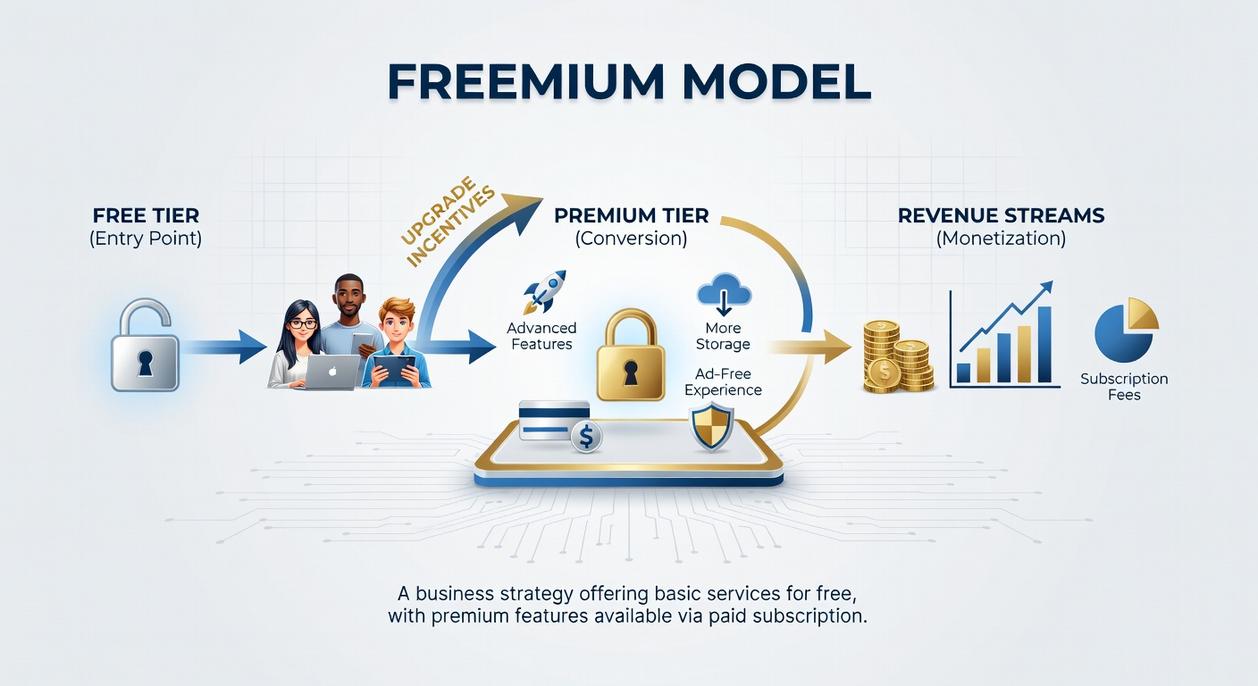
The free-to-play game business model can sound complicated, but it’s actually simple: the game costs nothing upfront, and players choose whether to spend money on extras like cosmetics, expansions, or convenience boosts. Think of it like a buffet where you only pay for the dishes you actually want.
For players, the biggest benefit is accessibility. Anyone can download and try a game instantly—no $70 commitment required. That makes it easier to invite friends (no awkward “wait for payday” conversations) and build squads quickly. It also creates choice: you spend only on what you value, whether that’s a battle pass or a flashy skin.
Some critics argue free-to-play systems encourage pay-to-win mechanics. That can happen. But many successful titles balance monetization with fairness, proving optional purchases don’t have to break competition.
For developers, the upside is scale. Removing the price barrier opens the door to a massive global audience. Ongoing purchases extend a game’s lifespan, funding updates and improvements long after launch. (Pro tip: consistent updates often signal healthy revenue streams.) Developers also gather player data to refine balance, events, and features—something explained in from concept art to launch the video game production pipeline.
Finally, large F2P communities fuel streams, memes, and tutorials—essentially free marketing powered by passionate fans.
Navigating the Pitfalls: The Dark Side of “Free”
“Free” can be a trap. In many games built on the free-to-play game business model, revenue comes from microtransactions. That’s fine—until it turns Pay-to-Win (P2W). P2W means players can buy direct competitive advantages—stronger weapons, better stats, faster progression—over those who don’t pay. When money outweighs skill, community trust erodes (and nothing kills hype faster than unfair leaderboards).
Some argue purchases simply “save time.” Fair. But when progress is intentionally slowed to push spending, that’s design manipulation, not convenience. Add aggressive pop-ups, confusing premium currencies, and FOMO-driven limited offers, and you’ve got systems engineered for pressure.
SMART SPENDING RECOMMENDATIONS:
- Set a strict monthly budget.
- Calculate value per hour of enjoyment.
- Avoid LIMITED-TIME bundles unless you planned for them.
If monetization feels pushy or punishes non-spenders, walk away. Pro tip: respectful games reward skill and time first, wallets second. Choose those.
Level Up Your Strategy and Stay Ahead
You came here to better understand how today’s gaming trends, monetization tactics, and competitive strategies actually work in practice. Now you have a clearer picture of how player engagement, smart design, and the free-to-play game business model shape the titles dominating the charts.
The real challenge isn’t just knowing this information — it’s applying it before the meta shifts again. Falling behind means wasted hours, missed rewards, and being outplayed by those who adapt faster.
Take what you’ve learned and put it into action. Refine your loadout, rethink your grind strategy, explore smarter monetization systems, and stay plugged into emerging trends. If you’re serious about staying competitive, dive deeper into advanced guides, community insights, and pro-level setup strategies right now.
Don’t just play the game — master it. Start optimizing today and gain the edge others wish they had.