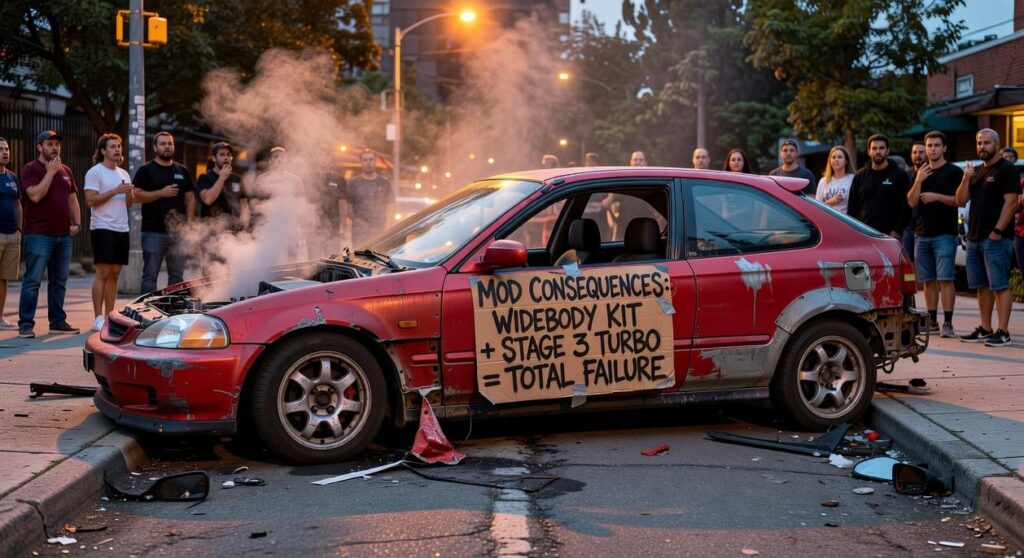
If you’re searching for clarity around multiplayer modding ethics, chances are you’ve seen the debate heating up across gaming communities. Modding can enhance creativity, extend a game’s lifespan, and build stronger player communities—but in multiplayer environments, the line between innovation and unfair advantage isn’t always clear.
This article breaks down what ethical multiplayer modding really means, where developers and communities typically draw the boundary, and how players can modify responsibly without disrupting competitive balance. We’ll explore common gray areas, community standards, and practical guidelines you can apply immediately.
Our insights are grounded in extensive coverage of gaming trends, active participation in modding discussions, and close analysis of how multiplayer ecosystems evolve. Whether you’re a seasoned modder or just curious about what’s acceptable, you’ll walk away with a clearer understanding of how to enhance your experience without compromising fairness.
Drawing the Line in Multiplayer Mods
You load into a match and spot someone snapping headshots through walls. Frustrating, right? Yet later, you consider installing a “harmless” skin mod that tweaks visibility. So where’s the line? The tension sits at the heart of multiplayer modding ethics. Over years inside mod forums and ladders, I’ve seen how client-side changes—like altered hitboxes, reshade filters, or packet manipulation tools—scale from cosmetic to corrosive. On one hand, customization boosts accessibility and enjoyment. On the other, subtle advantages distort leaderboards and player trust. Therefore, use a framework: impact on others, competitive advantage, and developer intent.
A Spectrum of Modification: From Harmless Skins to Game-Breaking Hacks
Not all mods are created equal. So where does yours fall on the spectrum?
Category 1: Purely Cosmetic & Client-Side Mods
First, we have cosmetic mods—custom weapon skins, UI color swaps, reshaded HUDs. These are client-side, meaning they only affect what you see on your screen. They don’t change stats, hitboxes, or mechanics. In other words, they’re digital fashion choices (think changing Spider-Man’s suit, not his superpowers). Because they have zero gameplay impact on others, they’re generally considered ethical. After all, if no competitive balance shifts, what’s the harm?
Category 2: Quality-of-Life (QoL) & Information Mods
Next come QoL mods: damage counters, improved mini-maps, cleaner inventory layouts. These tools surface information more clearly. But here’s the gray area: if the base game hides or limits that information, does revealing it create an advantage? Some argue it simply reduces clutter. Others say information is power. Sound familiar?
Category 3: Performance-Enhancing Mods
Now we enter murkier territory. Removing foliage for clearer sightlines. Custom crosshairs for tighter aim. Audio equalizers that amplify footsteps. These directly improve reaction time or visibility. At this point, multiplayer modding ethics become critical. If one player alters the environment for clarity, is the playing field still level?
Category 4: Automation, Exploits, and Cheats
Finally, automation and outright cheats—aimbots, wallhacks, botting. These bypass skill entirely and break the agreed-upon rules. It’s no longer enhancement; it’s substitution. And once fairness disappears, is it even the same game?
The Ripple Effect: How Unethical Mods Impact Everyone
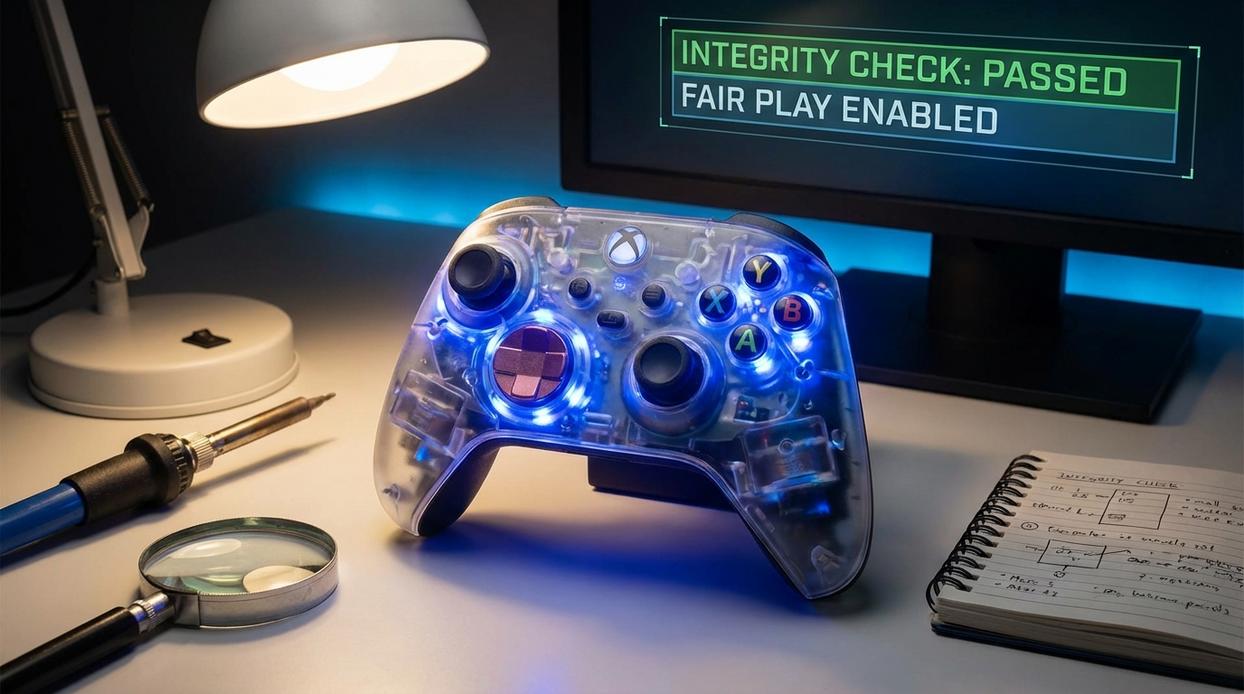
Unethical mods might feel like a victimless shortcut (just a little ESP here, a wallhack there), but in competitive multiplayer spaces, they fracture the foundation the entire ecosystem stands on.
The Player Experience: A Broken Social Contract
Every online match runs on an unspoken social contract—the shared agreement that everyone plays by the same rules. In ranked ladders, from NA East servers to tightly moderated EU tournaments, competitive integrity is everything. When one player injects aim assist scripts or unlock exploits, that trust collapses.
The result? Suspicion replaces sportsmanship. Legitimate high-skill players get accused. Casual players burn out. Some quietly uninstall (and they rarely announce their exit on Discord). According to a 2023 survey by Irdeto, 33% of players stop playing a game after encountering cheaters. That’s not just frustration—that’s abandonment.
Critics argue cheating has always existed, so it’s just part of gaming culture. But normalization isn’t harmless; it accelerates decline. Once fairness feels optional, motivation disappears.
The Developer’s Burden: Hidden Costs
Every exploit forces studios to redirect engineering hours into anti-cheat systems, log audits, and support tickets instead of new maps or seasonal events. Anti-cheat development is expensive—companies like Riot and Activision maintain entire security divisions (The Verge, 2022). If mods bypass cosmetic microtransactions or battle passes, revenue dips too.
Pro tip: When updates seem smaller than expected, it’s often because backend security patches consumed the sprint.
The Community’s Health: Culture Is Contagious
A fair playing field sustains healthy multiplayer modding ethics. When cheating becomes normalized, toxicity spikes, new players churn, and matchmaking queues thin out. Entire multiplayer scenes have withered this way.
Learning the right way matters. Explore the essential tools every game modder should know to build, not break, the games you love.
Navigating the Gray Areas
Most debates about mods pretend the world is black and white. It isn’t. Take accessibility mods. Colorblind filters, subtitle expansions, or audio cues for visual events help players with disabilities participate fully. Critics argue any added cue is an advantage. But here’s the contrarian take: equal access is not a bonus, it’s a baseline. Designing for inclusion may shift competitive balance slightly, yet excluding players shifts it far more.
On the other hand, intent matters. In private lobbies, where everyone agrees to the rules, running powerful mods can feel more like customizing house rules in Monopoly (and no one flips the table). Contrast that with ranked public matchmaking, where expectations are standardized and multiplayer modding ethics become critical. If strangers didn’t consent, you don’t get to redefine fairness.
Finally, the ultimate authority isn’t Reddit polls; it’s the Developer Stance & Terms of Service. Some games embrace Steam Workshop support and clearly label what’s allowed. Others enforce zero-tolerance policies with automated bans. So before installing anything, read the ToS, patch notes, and official forums. Pro tip: search “mod policy” on the publisher’s site directly. When rules aren’t clear, assume stricter boundaries, not looser ones every single time.
Fostering a Fairer Gaming Landscape
At its core, understanding multiplayer modding ethics isn’t just about avoiding a ban or dodging a suspension notice. It’s about protecting the games we genuinely love. After all, nothing kills the thrill of a tight match faster than realizing someone is running unfair advantages (and pretending they’re just “that good”).
We’ve all felt that frustration. You queue up after a long day, hoping for a balanced experience, only to face exploits that break immersion and momentum. That disappointment adds up. Over time, it can shrink player bases and weaken entire communities.
So what’s the real solution? First and foremost, self-regulation. Before installing any mod, pause and ask: “How does this affect other players?” If the answer gives you an edge others can’t reasonably access, it’s worth reconsidering. Fair play starts with empathy.
In addition, support developers who invest in strong anti-cheat systems and transparent policies. Join forums and servers that champion balanced competition. Better yet, channel your modding skills into quality-of-life improvements, accessibility tweaks, or creative expansions that enhance shared experiences.
Ultimately, fair gaming isn’t enforced solely by code. It’s sustained by players choosing integrity—match after match.
Level Up Your Hake Experience the Right Way
You came here to figure out how to enhance your Hake gameplay without crossing lines or risking your account. Now you understand the tools, strategies, and boundaries that matter — especially when it comes to multiplayer modding ethics and protecting the integrity of your matches.
The real frustration isn’t just losing games. It’s feeling stuck, outmatched, or unsure whether your setup is holding you back. With the right mods, optimized settings, and a clear understanding of what’s fair and allowed, you can compete confidently and improve faster — without compromising your reputation.
Now it’s your move.
Refine your setup. Test your mods responsibly. Stay informed about updates and community standards. Most importantly, commit to improving your skills the right way.
If you’re ready to sharpen your edge and dominate smarter — not riskier — start applying these strategies today and transform the way you play.