
Looking for practical gaming strategies, smart modding insights, and pro-level setup tips that actually improve your performance? You’re in the right place. This article is built for players who want more than surface-level advice—it’s designed to help you understand what works, why it works, and how to apply it immediately in your own gameplay.
We break down trending topics, advanced tactics, and community-tested techniques in a way that’s clear, actionable, and rooted in real in-game experience. From optimizing your loadout and refining your positioning to fine-tuning your hardware for smoother performance, every section is crafted to align with what gamers are actively searching for right now.
Our insights are based on hands-on testing, deep familiarity with evolving metas, and close attention to what competitive and casual players alike are discussing. Whether you’re here to sharpen your skills, explore creative mods, or upgrade your setup, you’ll find focused guidance that helps you play smarter and stay ahead.
Beyond the Hype: What Truly Makes a Game Great?
A great game isn’t just flashy graphics or a massive marketing budget. It’s the invisible architecture underneath—the systems that create meaningful choices. Players often say a title “just feels right,” but that feeling usually comes from tight feedback loops, balanced difficulty, and satisfying progression.
Understanding core game mechanics explained in the section helps you spot why combat feels responsive or why exploration feels rewarding.
- Feedback loops: Actions trigger clear responses, reinforcing learning and mastery.
When progression aligns with challenge, players enter flow (that sweet spot between boredom and frustration). Recognizing this framework helps you choose—and improve—games wisely.
The Foundation: Core Mechanics & Player Interaction
At the heart of any game are its core mechanics—the fundamental verbs that define what the player does. Jumping across rooftops, timing a parry, selecting a dialogue option, crafting a potion—these are not features; they’re actions. In design terms, a “core mechanic” is the repeatable action loop that drives engagement. If a game were a language, mechanics would be its verbs. No verbs, no sentence (and definitely no fun).
But mechanics alone aren’t enough. Feel & feedback transform input into satisfaction. Responsive controls mean your character moves the instant you press a button. Feedback—visual flashes, controller vibration, that crunchy thwack of a critical hit—confirms success. Think of the snappy aim in a top-tier FPS; without that tight response, even brilliant level design feels flat. Studies on player immersion show responsive feedback loops increase engagement and retention (Sweetser & Wyeth, 2005).
Then there’s skill vs. chance. Skill-based systems reward mastery—precise aiming, perfect timing, strategic positioning. RNG (random number generation) introduces unpredictability, like loot drops or critical hits. Some argue RNG cheapens achievement. Others counter that uncertainty fuels excitement (just ask any roguelike fan). The sweet spot blends both: skill determines opportunity; chance adds spice.
• Pro tip: If you’re stuck, analyze whether failure comes from skill gaps or bad RNG—it changes your strategy.
Finally, mods can radically reshape mechanics. A fishing overhaul might introduce weight-based casting physics or rare hake migration patterns, effectively rewriting the gameplay loop. Looking ahead, it’s likely future titles will ship with mod-ready frameworks, treating community experimentation as a built-in feature rather than an afterthought (speculation, but the trend is clear).
The Engine: Understanding the Core Gameplay Loop
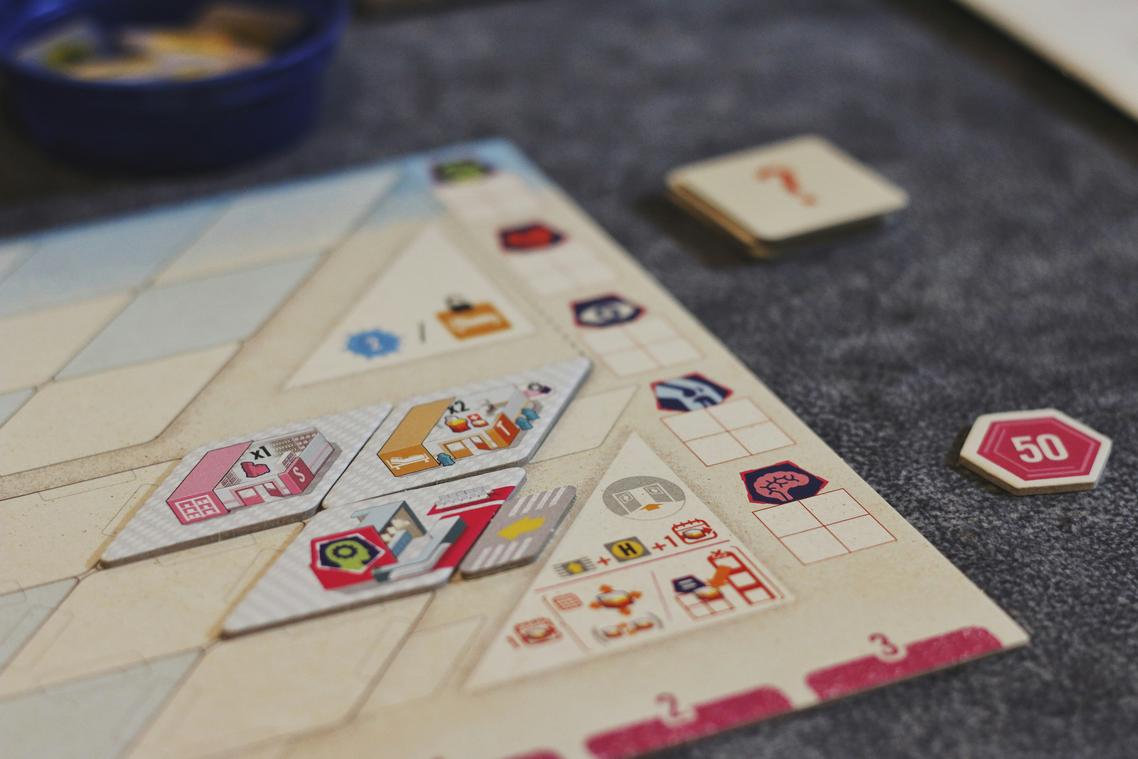
What Is a Gameplay Loop?
At its simplest, a gameplay loop is the repeating cycle of actions players perform. For example, in a looter-shooter: Fight Enemies -> Get Loot -> Equip Better Gear -> Fight Stronger Enemies. This loop forms the engine that keeps players engaged. According to research from Quantic Foundry (2020), players stay longer in games that provide consistent reward feedback within short action cycles. In other words, repetition works—if it feels meaningful.
Compelling vs. Grindy Loops
However, not all loops are equal. A compelling loop offers variety, skill expression, and clear rewards. Hades, for instance, refreshes each run with new power combinations. By contrast, a grindy loop feels repetitive and low-impact (think endlessly farming the same enemy for a 1% drop rate). Some argue grind builds dedication. Yet data from GameAnalytics shows high churn rates when progress feels stagnant. Reward pacing matters.
Short, Medium, and Long-Term Loops
Moreover, great games layer loops. The short loop might be winning one match. The medium loop could involve ranking up. The long loop? Completing a season battle pass. Titles built around advanced combat strategies for competitive multiplayer games often stack these layers intentionally. Understanding these structures—core game mechanics explained in the section once exactly as it is given—helps players see why some games feel endlessly replayable (and others feel like a chore).
The Hook: Progression, Rewards, and Player Investment
Progression is the invisible engine that keeps players logging back in. At its core, it answers one question: Am I stronger or more capable than I was yesterday?
Types of Progression
There are two primary models:
- Vertical progression (getting stronger stats) — Your damage numbers climb, your health pool expands, enemies that once crushed you now fall easily. Think early-game Geralt versus endgame Geralt in The Witcher 3.
- Horizontal progression (getting more options/cosmetics) — You unlock new playstyles, skins, or abilities without strictly increasing raw power. Games like Fortnite thrive here (flex value matters).
Some argue vertical systems are superior because visible stat growth feels concrete. Others prefer horizontal systems for balance and long-term fairness. The truth? Most modern titles blend both—and I predict future competitive games will lean harder into horizontal paths to avoid balance chaos.
The Psychology of Rewards
Skill trees, loot tiers (common to legendary), and achievement unlocks tap into variable reward schedules—a behavioral psychology concept where unpredictable rewards drive repeated behavior (see B.F. Skinner’s operant conditioning research). That golden drop beam? Pure dopamine engineering.
Pro tip: stagger unlocks so each session feels meaningful without exhausting the reward pool too fast.
Pacing and Power Creep
Too slow, and players quit from boredom. Too fast, and mastery feels hollow. Poor pacing also fuels power creep—when new content outclasses old gear, forcing constant resets (MMOs know this pain well).
Pro Setup Optimization
High-level players treat progression like a chess match. They map skill paths, prioritize meta-relevant upgrades, and delay cosmetic branches until core efficiency is locked in. In competitive ecosystems, smart progression planning isn’t optional—it’s a measurable edge.
Player agency is the player’s ability to make meaningful decisions that shape the game world or their character’s journey. When choices matter, you gain ownership—and that investment boosts immersion and replay value.
Narrative choice changes story beats—dialogue branches, alliances, endings. Gameplay choice shapes performance—builds, loadouts, tactics inside core game mechanics. Mastering both means smarter strategies and endings you actually earned.
Some critics argue most paths are predetermined, creating only the illusion of choice. True—some outcomes converge. But even perceived control triggers emotional buy-in (think Mass Effect’s Paragon vs. Renegade).
Pro tip: test extreme builds early to discover hidden advantages.
With the right lens, you stop guessing and start seeing. You now understand core mechanics, gameplay loop, and progression systems as hidden engine behind every quest, match, or boss fight. That means fewer wasted downloads and more games that click.
Instead of saying a title feels “off,” you can explain that its reward pacing stalls or its feedback loop lacks tension (like a grindy sequel that forgot why original worked).
Here’s the win: sharper strategies, smarter purchases, deeper appreciation.
Next time you boot up a favorite, dissect it. Notice parts. Watch them sync. You’ll never play same way again.
Level Up Your Hake Game Starting Today
You came here to sharpen your edge, understand the latest strategies, and get clearer on how to dominate your next session. Now you’ve got the insights, tactical breakdowns, and pro-level perspective to stop guessing and start winning.
The real frustration isn’t losing — it’s knowing you could’ve played smarter. Missed rotations. Poor loadout choices. Slow reactions in key moments. That’s what holds most players back.
The difference between casual and competitive isn’t talent. It’s applying the right strategies consistently.
Now it’s your move.
Put these tactics into practice in your next match. Fine-tune your setup. Experiment with the strategies that fit your playstyle best. And most importantly, stay connected for the latest breakdowns, modding insights, and meta shifts.
Thousands of dedicated players rely on our guides to stay ahead of the curve. If you’re serious about climbing, dominating lobbies, and mastering every update, don’t stop here.
Jump into the next guide, upgrade your setup, and start playing like you mean it.