
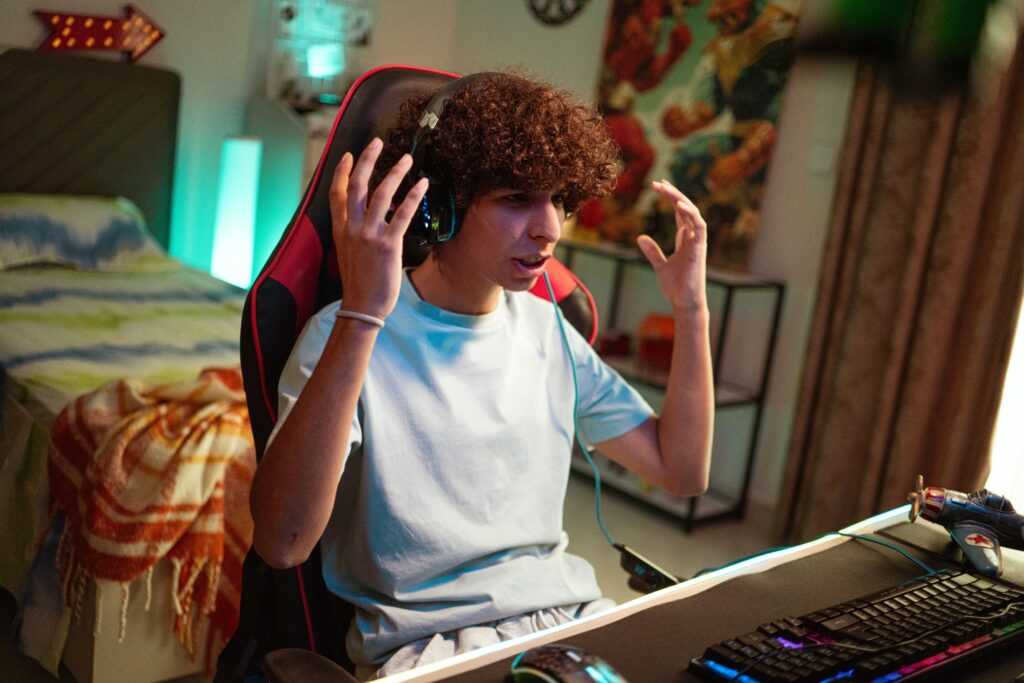
The awkward truth about game streaming is that being good at a game is only half the job. You can win every match and still lose the room if the stream is quiet, confusing, or gives viewers no reason to stay. YouTube has become a much bigger home for gaming creators, and the audience is there. Stream Hatchet reported that YouTube Gaming reached a record 8.8 billion hours watched in 2025, up 12% from the year before, with the platform accounting for about 24% of gaming livestream watch time.
That growth makes starting a channel exciting, but it also means there is a lot to compete with. New streamers rarely need a perfect studio. They need a stream that is easy to understand, easy to hear, and worth coming back to.
The Stream Is Bigger Than the Game
A gaming stream needs a clear reason to exist. That reason might be skill, humor, challenge runs, reactions, tutorials, or simply a personality that makes viewers feel welcome. The game gets someone through the door; the streamer gives them a reason to stay.
A clear lane helps. A Madden streamer, for example, can build episodes around franchise rebuilds, player ratings, or real football storylines. Many creators also draw inspiration from current NFL narratives, discussing key matchups, breakout players, and the teams generating the most attention each week. For viewers interested in the wider football conversation, looking at Sunday NFL lines with DraftKings can provide additional context around expectations for upcoming games without turning the stream into a news show.
Consistency is important, but this doesn’t mean forcing yourself to stick to it every night. A regular schedule is more useful than an ambitious but difficult-to-follow daily plan.
Give People Something to Join
The strongest live streams do not feel like someone playing alone while a camera happens to be running. They feel like a small room people have been invited into.
That starts with talking even when chat is quiet. Explain why you chose a route, laugh at a mistake, ask a question, or tell viewers what you are trying to achieve in the next match. Silence is comfortable when you are playing by yourself. On a stream, long stretches of it can make a new viewer leave before they understand who you are.
YouTube’s creator resources recommend tools such as live chat, polls, and Q&A, as well as building traditions or inside jokes that help viewers feel part of the community. The platform also recommends testing your setup and connection before going live, which sounds obvious until your microphone disappears halfway through the first stream.
Do not wait for a large audience before acting like a community exists. If three people are chatting, talk to the three people. Remember names when you can. Notice regulars.
Learn From Big Creators Without Trying to Become Them
There is plenty to learn from creators who started with small channels, but copying their current production budgets is usually the wrong lesson.
Roblox creator KreekCraft has spoken about staying open and honest with viewers and keeping an emotional connection with his audience. That matters more to a beginner than buying another light. Viewers can tell when someone is talking at them rather than with them.
Use the Tools Before Buying More Tools
New streamers can spend weeks researching microphones, capture cards, cameras, overlays, lighting, and keyboards before making anything. Some equipment matters, particularly clear audio and a stable connection, but the first useful investment is often time spent learning YouTube itself.
YouTube says more than 30% of daily logged in viewers watched live content in Q2 2025. Its live tools also let creators turn strong moments into other formats, so a good part of a longer session can become a Short, a highlight video, or part of an edited upload instead of disappearing when the broadcast ends.
Analytics become more useful once there is enough content to compare. YouTube recommends looking beyond subscriber count at measures such as unique viewers, new and returning viewers, and the videos bringing new people into the channel. For a gaming streamer, that might reveal that viewers stay for challenge streams but leave during long menu sections, or that one game brings people back more consistently.
The numbers tell you where people react. You still have to decide what kind of creator you want to be.
A better gaming streamer is not necessarily the person with the best setup or the highest rank. It is the person who can make viewers understand what is happening, feel included, and want to come back. Start with a reliable setup, a clear idea for the channel, and a schedule you can actually keep.
The first broadcasts may be awkward. That is normal. Nobody begins with perfect timing, effortless chat, and a community full of inside jokes. Those things are built one stream at a time, which is probably the most useful thing a new creator can remember.
 Neylith Windmere is the founder of The Hake Gamer, a specialized platform dedicated to the intersection of competitive excellence and technical creativity. By blending professional setup strategies with deep dives into hake-focused modding, Windmere has built a unique community hub that empowers players to master both their gameplay and their hardware. From tactical training to innovation spotlights, their leadership continues to shape the site into an essential resource for the modern, tech-savvy gamer.